Be Aware of These Automatic Gun Concerns
📅 2026 Update: Key Points on Automatic Weapons Regulations
Since the original article was published, there have been no significant legislative changes regarding automatic weapons from 2024 to 2026. The rules for owning these firearms remain largely the same. Readers can find more information about these regulations further down this page.
🔍 Overview of Automatic Weapons Laws
The basic structure of laws surrounding automatic weapons has not shifted. The National Firearms Act of 1934 still regulates these firearms, requiring a $200 tax stamp for their transfer or manufacture. This tax remains unchanged over the years.
📝 Application Process
To own an automatic weapon legally, individuals must submit an application to the Bureau of Alcohol, Tobacco, Firearms and Explosives (ATF). This application requires a thorough background check, along with the payment of the $200 tax.
⏳ Processing Times
The approval time for applications submitted to the ATF can vary. While specific current processing times are not available, applicants should be prepared for possible delays in receiving approval.
🚫 Eligibility Criteria
Certain individuals are prohibited from owning automatic weapons. This includes those convicted of felonies, fugitives, and individuals subject to domestic violence restraining orders, among others. These rules aim to prevent firearms from falling into the wrong hands.
🏛️ State Regulations
State laws may impose additional restrictions on automatic weapons. For instance, South Carolina prohibits the possession of these firearms, allowing exceptions only for military and law enforcement personnel. It is essential for prospective owners to check their local laws.
📌 Key Points Summary
- No significant changes in automatic weapons laws from 2024 to 2026.
- $200 tax required for ownership under the National Firearms Act.
- Application to ATF includes a background check.
- Processing times can vary and may lead to delays.
- State laws may have additional restrictions.
💡 Tips for Understanding Automatic Weapons Regulations
Review these details with an attorney to ensure understanding of your unique situation regarding automatic weapons.
📜 Understand the National Firearms Act
The National Firearms Act of 1934 sets the framework for owning automatic weapons. Familiarize yourself with this act to understand your rights and responsibilities when considering ownership.
📝 Check Eligibility Requirements
Before applying, verify if you meet the eligibility criteria. Individuals with felony convictions or those subject to restraining orders cannot legally possess automatic weapons.
⏳ Prepare for Application Delays
When submitting an application to the ATF, be aware that processing times can vary. Plan accordingly, as delays can occur for various reasons.
🔍 Review State-Specific Laws
Since state laws may differ significantly, check local regulations regarding automatic weapons. Some states may have stricter rules than federal law.
📑 Utilize ATF Resources
The ATF offers resources and guidance for individuals looking to understand the legal requirements for owning automatic weapons. Use their materials to gain a clearer understanding of the process.
🏆 Free Options Ranked by User Reviews (2026)
There are no national paid services that meet the review threshold for this topic. Instead, here are free government and nonprofit resources available for individuals interested in automatic weapons regulations.
🥇 1. Bureau of Alcohol, Tobacco, Firearms and Explosives (ATF)
The ATF provides essential resources and guidance for individuals looking to understand the laws surrounding automatic weapons. They offer detailed information about the application process, eligibility criteria, and federal regulations. This can help potential owners navigate the complexities of gun ownership.
🥈 2. Local Law Enforcement Agencies
Local law enforcement agencies often provide information on state-specific gun laws. They can help clarify any local restrictions regarding the possession of automatic weapons and offer guidance on compliance with state regulations.
🥉 3. State Government Websites
State government websites typically provide information on gun laws specific to that state. These resources can help individuals understand the legal landscape and any additional requirements needed for ownership of automatic weapons.
4️⃣ Nonprofit Organizations
Certain nonprofit organizations focus on gun rights and education. They may provide resources and workshops to help educate potential gun owners about the laws and responsibilities associated with owning automatic weapons.
🔎 What to Check Before Paying for Help
- 🔍 Verify the source of information.
- 📜 Check for user reviews and ratings.
- 🏢 Confirm credentials of the organization.
- 📞 Contact them for clarification on services offered.
❓ Frequently Asked Questions
❓ What types of firearms are considered automatic weapons?
Automatic weapons are defined as firearms that automatically reload and fire continuously when the trigger is pressed. This includes assault rifles and machine guns.
🔒 Who is prohibited from owning automatic weapons?
Individuals who cannot possess automatic weapons include those with felony convictions, illegal aliens, and people subject to domestic violence restraining orders.
💰 Is there a fee to apply for ownership of an automatic weapon?
Yes, there is a $200 tax stamp required under the National Firearms Act for the transfer or manufacture of automatic weapons.
🕒 How long does it take to get approval for an automatic weapon application?
The processing time for ATF approval can vary. Specific current processing times are not provided, so applicants should be prepared for potential delays.
📍 How can I find out about state laws on automatic weapons?
To check state laws regarding automatic weapons, review local government websites or contact local law enforcement agencies for the most accurate information.
📝 What should I do if I want to apply for an automatic weapon?
Start by reviewing eligibility requirements and understanding the application process. Then, submit your application to the ATF along with the required payment and wait for approval.
⚖️ Recent Cases Related to Automatic Weapons
Recent court rulings have explored various aspects of firearm ownership, including automatic weapons regulations. These rulings can greatly influence how laws are interpreted and enforced.
- Court Reverses Decision to Suppress Evidence in Shooting CaseNew Jersey Superior Court Appellate Division · April 5, 2023
- Court reverses conviction in New Jersey gun possession caseNew Jersey Superior Court Appellate Division · December 20, 2022
- Illinois court upholds 14-year sentence for felon with weaponAppellate Court of Illinois · May 22, 2026
- Ohio Court affirms conviction of Desmond Noble in firearm caseOhio Court of Appeals · May 26, 2026
For further information, feel free to browse more rulings on the news page.
End of October 2026 Update
Handguns, since 1934, have killed approximately two million more people than legally owned fully automatic weapons. Although they can fire hundreds of bullets with a simple squeeze of the trigger, fully automatic weapons have not impacted our society as one would expect.
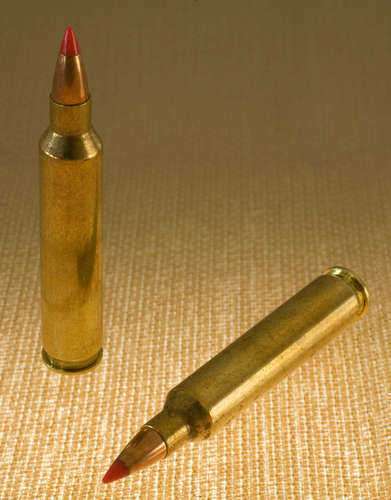
In 1934, President Franklin D. Roosevelt placed a national restriction on the purchase and use of all fully automatic weapons. To obtain a fully automatic weapon one would have to go through extensive background checks, character tests, exorbitant fees, and approval from the National Treasury Department.
After approval, an automatic weapon has to then be registered with the Bureau of Alcohol Tobacco and Firearms. In contrast, to obtain a handgun, an individual (depending on state) would most likely just need to wait a couple of days and shell out a few hundred bucks. The contrast to obtain these different weapons is startling, and the main reason why handguns have been more prevalent in committing violent acts.
At first thought, a hulking automatic gun, shooting 12 mm bullets at a rate of 1,000 rounds per minute seems catastrophic. The largest concern over automatic guns is simply what if. How would society function if a crazed individual were to gain access to such a powerful weapon? Automatic weapons possesses so much power, that they have the capacity to inflict unconscionable amounts of violence on a community. We are reminded of these horrific acts in the forms of mass murders in the United States.
Although automatic weapons were not used in the Virginia Tech shootings, or Columbine, they still pose that threat of what if? What if, instead of a semi-automatic rifle or pistol, those students had a fully automatic submachine gun? What if a disturbed individual gained access to an automatic weapon and in a heat of rage decided to go into a crowded space? The concern over automatic weapons naturally lies within their power. They can shoot infinitely faster than a handgun, have larger more piercing ammunition, and require no reloading time in between shots. The mere thought of an automatic weapon is frightening, however the act of obtaining such a gun is so difficult and costly that violent statistics concerning automatic weapons are insignificant.
Between 1934 and 2009 over two million people have been killed via firearms in the United States. Whether by suicide or through murder, legally owned automatic weapons have accounted for a total of 2 of these 2 million+ murders. The statistics involving automatic guns are meager due to the strict enforcement and governmental control of the weapon. In 2005, there were approximately 255,000 automatic weapons registered with the BATF-ownership was split equally among civilians and law enforcement agents.
Both automatic weapons used in the violent crimes were registered and purchased legally. A great example of the insignificance that automatic weapons have on our society is a statistical breakdown of Miami in the 1980s. The city, which was overrun by drug wars and homicide was considered to be the "machine gun Mecca"of the world. Over 600 murders were committed annually in Miami during this time (compared to 74 a year now) and only 5 people were thought to be killed via an automatic weapon. Of the thousands of guns seized annually by law enforcement throughout the country only .7% are automatic weapons.
The industry is so well regulated due to the regulation of manufacturers. By restricting and overseeing the production of automatic weapons the market becomes scarce and heavily regulated. Luckily nobody will know the true power of these weapons on a society because of such strict and efficient enforcement.