Quick Guide to Concealed Carry Pistols
📅 2026 Update: Major Changes in Concealed Carry Laws
Since the original article was written, there have been several significant changes in concealed carry laws across the United States. The landscape has shifted due to court rulings and new legislation, impacting how individuals can obtain and carry concealed firearms. The earlier article continues further down the page for additional context and details.
⚖️ New Legal Precedents
The New York State Rifle & Pistol Association, Inc. v. Bruen decision by the U.S. Supreme Court in June 2022 had a major impact.
It struck down New York's "good cause" requirement for concealed carry permits. This decision has influenced other states to re-evaluate their own concealed carry laws.
🏛️ Changes in State Legislation
California passed Senate Bill 2 on January 1, 2024. This law replaced the "good cause" requirement with objective eligibility criteria for obtaining concealed carry permits. Similarly, South Carolina and Louisiana introduced permitless carry laws in March and July of 2024, respectively.
This allows residents to carry concealed firearms without needing a permit.
🌊 Florida's Open Carry Change
In September 2025, Florida's First District Court of Appeal ruled that the state's ban on open carry was unconstitutional under the Second Amendment. This ruling legalized open carry for individuals who possess concealed carry permits, changing the options available to gun owners in Florida.
📜 Federal Legislative Developments
The Concealed Carry Reciprocity Act of 2025 was introduced in early 2025. This act aims to allow holders of concealed carry permits to carry their firearms across state lines, in states that allow concealed carry. As of October 2025, this bill has cleared the House Judiciary Committee and is awaiting a full House vote.
📌 Key Points to Remember
- New legal precedents have influenced state laws on concealed carry.
- California, South Carolina, and Louisiana have enacted permitless carry laws.
- Florida's open carry ban was struck down, expanding carry options.
- The Concealed Carry Reciprocity Act is pending further legislative action.
- Always check your state laws as they may have changed recently.
💡 Tips for Navigating Concealed Carry Permits
Reviewing your situation with an attorney can clarify your eligibility and requirements for concealed carry permits.
📝 Understand Eligibility Requirements
To qualify for a concealed carry permit, you must be at least 21 years old, a U.S. citizen, and free of disqualifying convictions. This includes felony convictions and certain domestic violence misdemeanors.
⏳ Know Processing Times
Processing times can vary widely by state. For example, Washington's concealed pistol license typically takes about 14 business days, while Virginia allows 45 days for permit issuance.
💵 Plan for Costs
Application fees for concealed carry permits can range from $20 to over $100, depending on the state. Be prepared for additional costs related to fingerprinting and background checks, which can add up.
📅 Keep Track of Renewal Deadlines
Most states allow you to submit renewal applications up to 90 days before the expiration date. Staying ahead of these deadlines can help you avoid gaps in your permit validity.
🏫 Check Training Requirements
Training requirements for concealed carry vary. Some states require as much as 16 hours of instruction for first-time applicants, so factor this into your planning.
📞 Use Available Resources
Don't hesitate to reach out to local law enforcement or state police for guidance on obtaining your permit. They can provide essential information to help you through the process.
🏆 Free Options Ranked by User Reviews (2026)
Currently, no national paid service meets the review threshold for this area. Instead, there are free government and nonprofit resources that can assist with concealed carry permits.
🥇 1. Virginia State Police
The Virginia State Police provides comprehensive information about concealed handgun permits. Their official website offers guidelines, application forms, and details on eligibility requirements. This resource is essential for residents looking to navigate the concealed carry process in Virginia.
🥈 2. North Carolina Sheriff's Association
This organization offers guidance and resources specifically for North Carolina residents applying for concealed handgun permits. They provide information on local sheriff's office procedures and can assist applicants in understanding their rights and responsibilities.
🥉 3. Local Sheriff's Offices
Many counties have their own sheriff's offices with dedicated resources for concealed carry permits. These offices can guide applicants through the application process, provide necessary forms, and answer questions about local regulations.
🔎 What to Verify Before Paying for Assistance
- 📅 Check for any renewal deadlines that may affect your application.
- 📝 Ensure your eligibility based on state requirements.
- 💵 Verify if there are any hidden fees associated with services.
- 📞 Contact local law enforcement for free guidance.
- 🔍 Research if the organization is credentialed in your area.
❓ Frequently Asked Questions
❓ What is the "good cause" requirement?
The "good cause" requirement was a rule in some states that mandated applicants to provide a valid reason for needing a concealed carry permit. This requirement was struck down by the Supreme Court in the Bruen decision.
🕒 How long is a concealed carry permit valid?
Most concealed carry permits are valid for a period of five years, though this can vary by state. After this period, you will need to renew your permit.
🏛️ What happens if my application is denied?
If your application for a concealed carry permit is denied, you typically have the right to appeal the decision. The process may vary by state, so check with your local authorities for specific steps.
🌐 Can I carry in other states with my permit?
Carrying in other states depends on their laws and reciprocity agreements. Some states recognize permits from other states, while others do not, so check before traveling.
🏫 Are training courses mandatory?
Training course requirements vary by state. Some states mandate completion of a training course, while others do not have this requirement.
🔄 How often do I need to renew my permit?
The renewal period for concealed carry permits varies by state, but most allow renewals every five years. Some states may require additional training or updates during renewal.
⚖️ Recent Cases Impacting Concealed Carry
Recent court rulings have shaped the current landscape of concealed carry laws, affecting how permits are issued and what is permissible.
- Texas court affirms felon firearm possession convictionTexas Court of Appeals, 11th District (Eastland) · June 18, 2026
- Texas Court upholds firearm possession conviction for felonTexas Court of Appeals, 10th District (Waco) · June 11, 2026
- Iowa court upholds DUI and weapon charges against HolmesCourt of Appeals of Iowa · July 8, 2026
- Court affirms manslaughter conviction in Troy drive-by shootingAppellate Division of the Supreme Court of the State of New York · July 2, 2026
Explore more recent rulings and legal interpretations that may impact your rights by checking more rulings on the news page.
End of October 2026 Update
Concealed carry handguns are typically allowed for by state laws to some extent, with Illinois and Wisconsin being the only U.S. states which never permit people to have concealed carry pistols in public. For the prospective holders of concealed carry handguns, it should be noted that there is no larger, federally imposed requirement for specific state laws on concealed carry pistols, and that thus, among other things, concealed carry reciprocity agreements between various American states are important matters to consider.
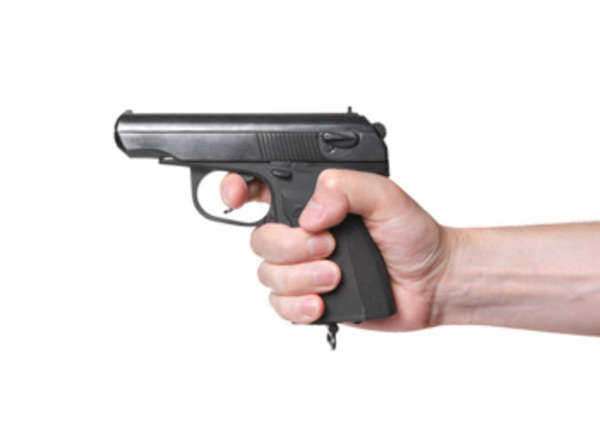
The degree to which concealed carry reciprocity agreements are in effect between different states can depend on the degree to which the legislators of the states involved believe the other to be adhering to good points of discretion and safety. It has been noted, for the sake of people who wish to use concealed carry pistols in more than one state, that 37 American states had reached some form of a concealed carry reciprocity agreement with others.
States which have more rigorous standards for people interested in securing licenses for concealed carry handguns may therefore not carry through concealed carry reciprocity agreements with others who do not impose as much in the way of training requirements or other measures for preparation.
Missouri’s license system for concealed carry handguns has obtained the greatest amount of concealed carry reciprocity with other states, at 36, with the second greatest amount of success in this area having been enjoyed by Florida and Utah, both of which have concealed carry reciprocity with 33 different American states.