All You Need to Know About Rifles
📅 2026 Update: Recent Changes in U.S. Gun Laws
Since the original article was published, several important changes have occurred in U.S. gun laws. These changes impact how firearms are bought, owned, and regulated nationwide. The earlier article continues further down this page, providing foundational knowledge on these topics.
📜 New Insights on the Second Amendment
The Second Amendment remains a central topic in discussions about gun ownership. Ratified in 1791, it states that the right to keep and bear arms shall not be infringed. Legal interpretations of this amendment continue to evolve, influencing state and federal laws.
🕵️ Background Checks Updates
Background checks are a key part of buying firearms. They help ensure that individuals who should not have guns are prevented from purchasing them. The Bureau of Alcohol, Tobacco, Firearms and Explosives (ATF) oversees these checks, which may vary by state.
Always check your state’s specific requirements for the latest information.
🔒 Concealed Carry Permits
Obtaining a concealed carry permit is essential for those who wish to carry a firearm privately. Permit requirements differ by state. Some states have made it easier to obtain these permits, while others have tightened regulations.
Be sure to check your local laws for the most current rules.
📖 Understanding State Gun Laws
Gun laws can vary significantly from state to state. Each state has its own regulations regarding ownership, carrying, and usage of firearms. It's important to consult your state's official website for the most accurate and updated information.
📊 Gun Crime Statistics
Gun crimes are a serious concern in the U.S. They highlight the importance of responsible gun ownership and regulation. As of 2026, discussions about reducing gun violence continue, with various states implementing new laws and programs aimed at addressing these issues.
📌 Key Takeaways
- 📜 The Second Amendment remains a vital part of gun law discussions.
- 🕵️ Background checks vary by state and are crucial for firearm purchases.
- 🔒 Concealed carry permit requirements can differ significantly.
- 📖 Each state has unique gun laws that need to be checked regularly.
- 📊 Ongoing discussions about gun crime emphasize the need for responsible ownership.
💡 Practical Tips for Navigating U.S. Gun Laws
Reviewing your unique situation with an attorney can provide clarity and guidance.
📋 Know Your Rights
Understanding your rights under the Second Amendment is essential. This knowledge can help you navigate gun ownership laws effectively. Always stay informed about changes in legislation.
✅ Keep Up with Background Check Procedures
Regularly check the background check requirements in your state. Procedures can change, and knowing what to expect can help streamline your purchase process.
📅 Track Concealed Carry Permit Deadlines
If you are applying for a concealed carry permit, be aware of application deadlines. Missing these deadlines can delay your ability to carry a firearm legally.
📖 Familiarize Yourself with State Laws
Gun laws vary greatly by state. Research your state’s specific regulations on firearm ownership, carrying, and usage. This will help you remain compliant with the law.
🔍 Utilize Available Resources
Many organizations provide resources and support for gun owners. The National Rifle Association (NRA) and local legal aid organizations can offer guidance on legal questions and firearm safety.
🏆 Free Options Ranked by User Reviews (2026)
No national paid service in this area met the review threshold. The following section lists free government and nonprofit resources for accurate information on U.S. gun laws.
🥇 1. Bureau of Alcohol, Tobacco, Firearms and Explosives (ATF)
The ATF provides comprehensive information on federal firearms regulations. This includes details on licensing, classifications, and compliance requirements. It assists individuals and organizations in understanding their legal responsibilities.
🥈 2. National Rifle Association (NRA)
The NRA offers various resources focused on firearm classifications and safety. It also provides legal information and guidance for gun owners. This organization aims to educate the public on responsible gun ownership.
🥉 3. State Government Websites
Each state has its own government website that outlines specific gun laws. These sites provide critical information about regulations, fees, and processes related to gun ownership. Visiting these sites ensures you are informed about your state's requirements.
4️⃣ Legal Aid Organizations
Nonprofit organizations focus on providing legal aid and understanding of firearm laws. They can help individuals navigate complex regulations and protect their rights. These organizations may offer workshops, resources, and personal assistance.
🔎 What to Check Before Paying for Help
- 🔍 Ensure the source is reputable and recognized.
- ⚖️ Verify their expertise in firearm laws specifically.
- 📜 Check for user reviews or testimonials.
- 🏛️ Confirm they have current information on state regulations.
❓ Frequently Asked Questions
❔ What is the process for obtaining a concealed carry permit?
The process for obtaining a concealed carry permit varies by state. Generally, applicants must meet specific eligibility requirements and complete a background check.
❓ How does the Second Amendment affect current gun laws?
The Second Amendment influences both federal and state gun laws. Its interpretation continues to evolve through court rulings and legislative changes.
❓ Are there age restrictions for purchasing firearms?
Yes, federal law requires individuals to be at least 18 years old to purchase rifles or shotguns and at least 21 years old to buy handguns. State laws may have additional restrictions.
❓ What should I do if my background check is denied?
If a background check is denied, you can inquire about the reason for denial. You may have a right to appeal the decision or correct any issues in your record.
❓ Can I open carry my firearm in public?
Open carry laws vary by state. Some states allow open carry without a permit, while others require a permit. Always check your state's regulations before carrying openly.
❓ How can I report gun crimes in my area?
To report gun crimes, contact local law enforcement. You can also use anonymous tip lines or community resources to inform authorities of any gun-related incidents.
⚖️ Recent Cases on Gun Laws
Recent court rulings have impacted firearm regulations in the U.S. These cases highlight ongoing debates about ownership rights and government regulations.
- Ohio court upholds sentencing in drug and weapons caseOhio Court of Appeals · September 25, 2026
- Court rules on gang identity disclosure in Bronx shooting caseNew York Supreme Court, Bronx County · August 24, 2026
- Arkansas court upholds firearm possession convictionCourt of Appeals of Arkansas · September 23, 2026
- Court upholds conviction of Charles Ewing, Jr. for firearm chargeCourt of Appeals of Arkansas · September 30, 2026
For more recent rulings, please check more rulings on the news page.
End of October 2026 Update
Rifle background
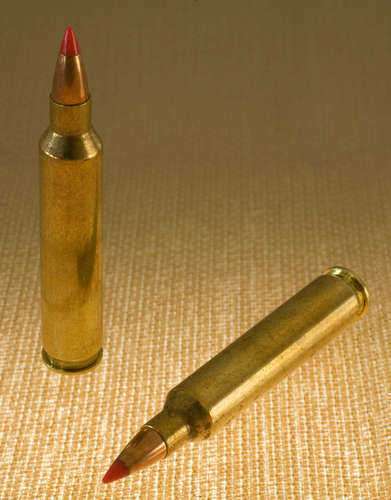
Rifles are very similar to shotguns, in that they are both fired from the shooters shoulder and have similar accuracy. Rifles can be of any caliber and the purpose of the weapon will likely dictate the caliber of ammunition. For example, hunting may require a low caliber ammunition.
Sniper rifle
Sniper rifles are highly accurate, even at great distances. Advancements in technology have allowed the telescopic sights to allow snipers to see great detail from huge distances. The weapons is also able to hit any target that can be seen in the scope.
Hunting rifles
Hunting rifles are available with extras, such as telescopic sights. These improvements allow hunters to be a greater distance from the game, while ensuring accuracy when they fire the weapon. However, each state has differing laws as to which type of hunting rifles are permitted in the state.
Rifles for sale
Rifles for sale may be found online, at gun shows, through private dealers and at gun shops. Regardless of where the gun is purchased, both the buyer and the seller must comply with federal and local gun laws. The legality of owning specific types of guns, such as assault riles, can vary from state to state.
Semi automatic rifles vs. bolt action rifles
Semi automatic rifles are those which self load ammunition as the operator pulls the trigger. Bold action rifles are often single shot rifles, which require the operator to reload each time a shot is fired.