Look Into the NRA
📅 2026 Update: Changes in Gun Ownership and Regulations
Since the original article was published, significant legal changes have occurred regarding the ownership and regulation of firearms in the United States. These changes particularly impact suppressors, short-barreled rifles, short-barreled shotguns, and other weapons. The earlier article continues further down the page.
⚖️ Recent Court Rulings
A federal court ruled on August 5, 2026, in *Silencer Shop Foundation v. ATF*. This ruling declared that the registration requirements for suppressors and other firearms under the National Firearms Act (NFA) were invalid because of a new law that imposed a $0 tax.
This ruling has changed how these items are regulated.
- 🔔 No More Registration Fees
As of January 1, 2026, the "One Big Beautiful Bill Act" eliminated the $200 tax for suppressors, short-barreled rifles, short-barreled shotguns, and other weapons. This change has made it cheaper and easier to own these items.
🚫 Changes in Enforcement
On October 9, 2026, the ATF announced it would stop enforcing certain NFA provisions. This includes the requirement for prior approval to make or transfer suppressors and other regulated items. This means that gun owners can now transfer or create these items without waiting for government approval.
- 📅 Suspended Processing Times
With the new court ruling, the processing times that previously applied to suppressors and similar firearms have been eliminated. This allows for quicker ownership and transfer of these items.
📚 Legislative Engagement
The NRA is actively engaging gun owners through initiatives like the 2026 NRA Gun Bus Battleground Tour. This campaign, launched on October 13, 2026, aims to connect with gun owners across 13 states leading up to the elections. It focuses on advocating for Second Amendment rights.
- ✅ Grassroots Support
The NRA-ILA is partnering with the National Shooting Sports Foundation to provide free assistance and information to gun owners. This effort is aimed at mobilizing support for legislative action that protects gun rights.
📌 Key Points
- ⚖️ Court ruling invalidated NFA registration requirements for suppressors and more.
- 💰 $0 tax for suppressors and other firearms as of January 1, 2026.
- 🚫 ATF stopped enforcing approval requirements for specific firearms.
- 📅 Processing times for these items have been eliminated.
- ✅ NRA's initiatives to support and engage gun owners are ongoing.
💡 Tips for Understanding Gun Law Changes
Review your personal situation with an attorney to understand how these changes may affect you.
📄 Understand New Registration Rules
The recent court ruling means that many registration requirements for certain firearms are no longer in effect. Make sure to stay updated on how this affects your ownership rights.
📅 Be Aware of Tax Changes
Since the tax for suppressors and similar firearms has dropped to $0, it is an excellent time to consider their purchase if you are interested. This change can significantly reduce the overall cost of ownership.
📞 Stay Informed About Legislative Actions
The NRA-ILA is actively working to protect Second Amendment rights. Follow their updates to learn how proposed laws could impact your rights as a gun owner.
🔄 Consider Voluntary Forms
Although the ATF no longer requires approval for specific items, you may still want to consider using the voluntary forms for documentation. This can help maintain clarity in ownership and transfer.
🚀 Participate in Advocacy Initiatives
Engaging in advocacy for gun rights can be an effective way to influence future legislation. Consider participating in local events or campaigns organized by groups like the NRA.
🏆 Free Options Ranked by User Reviews (2026)
Currently, there are no national paid services that met the review threshold for this topic. Therefore, this section lists free government and nonprofit resources available to assist with gun law issues.
🥇 1. NRA Institute for Legislative Action (NRA-ILA)
The NRA-ILA provides information and support to gun owners. They focus on advocacy for Second Amendment rights and engage in legislative efforts to influence gun laws. Their resources can help individuals understand their rights and participate in advocacy.
🥈 2. National Shooting Sports Foundation (NSSF)
The NSSF promotes responsible firearm ownership and safety. They partner with organizations like the NRA to offer grassroots support and information to gun owners. Their initiatives aim to connect with individuals and provide resources related to firearms legislation.
🥉 3. Bureau of Alcohol, Tobacco, Firearms and Explosives (ATF)
The ATF is the federal agency that regulates firearms and enforces gun laws. They provide valuable information regarding compliance with gun regulations. Their website includes resources for understanding the changes in enforcement and ownership requirements.
🔍 4. State Gun Rights Organizations
Many states have their own nonprofit organizations dedicated to advocating for gun rights. These groups offer resources tailored to local laws and regulations, helping gun owners navigate the specific legal landscape in their state.
🔎 5. Local Law Enforcement Agencies
Local law enforcement can provide information about firearm ownership laws in your area. They can help clarify local regulations and answer questions regarding compliance or legal ownership of firearms.
🔎 What to Check Before Paying Anyone for Help
- 🔍 Review their qualifications and background.
- 📜 Check for user reviews and testimonials.
- 💰 Confirm whether they charge any fees for their services.
- 📆 Look for recent updates or changes in their offerings.
❓ Frequently Asked Questions
🔍 What is the impact of the recent court ruling on suppressors?
The ruling in *Silencer Shop Foundation v. ATF* has invalidated registration requirements for suppressors, making them easier to own and transfer without prior approval.
📅 How do I find out about changes in state gun laws?
It is essential to follow local news sources and state organizations that focus on gun rights. They often provide updates about changes in legislation that may affect gun ownership.
📞 Can I still use the NFA forms after the recent changes?
While the ATF has suspended the requirements for prior approval, using the NFA forms can still be beneficial for documentation purposes if you choose to transfer or create these items.
💡 What should I do if I have questions about my gun rights?
Consider reaching out to organizations like the NRA-ILA or your local gun rights groups. They can provide information and guidance on your rights as a gun owner.
🔄 Are there any deadlines I need to be aware of regarding these changes?
The recent changes have effectively removed associated deadlines for NFA registration and transfers of suppressors and similar items. Always check for updates, as laws can change.
📅 How can I get involved in advocacy for gun rights?
You can participate in local events, contact your representatives, and join organizations that focus on gun rights advocacy. Engaging with others in your community can help amplify your voice.
⚖️ Recent Court Cases Related to Gun Ownership
Recent court rulings have significantly impacted the landscape of gun ownership and regulations in the U.S. These cases highlight ongoing legal interpretations of the Second Amendment and its implications for gun laws.
- Court upholds conviction of Nicholas Vallia in shooting caseDistrict Court of Appeal of Florida · September 9, 2026
- Florida court reduces sentence for felon firearm possessionDistrict Court of Appeal of Florida · September 9, 2026
- Tenth Circuit Court Rules on Club Q Shooting LawsuitsCourt of Appeals for the Tenth Circuit · September 9, 2026
- Court affirms sentence for Frank Clay, Jr. in firearm caseCourt of Appeals for the Sixth Circuit · August 19, 2026
For more information, you can browse more rulings on the news page.
End of October 2026 Update
The National Rifle Association, or NRA as it is most commonly known, is a non-profit organization in the United States that holds as its main purpose the protection and enforcement of the Second Amendment to the Bill of Rights as written in the United States Constitution. The Second Amendment states, "A well regulated Militia, being necessary to the security of a free State, the right of the people to keep and bear Arms, shall not be infringed."
In becoming its credo, over the years the NRA has promoted a number of issues involving every aspect of firearms. Some of the main causes flown under the NRA banner include hunting, marksmanship, self-defense, and firearm safety.
The intended purpose of the NRA is essentially to educate and instruct its members and followers alike about positive aspects regarding firearms. The NRA uses various programs such as firearm safety courses, shooting sports competitions, youth programs, law enforcement services and training, and even gunsmithing schools and programs.
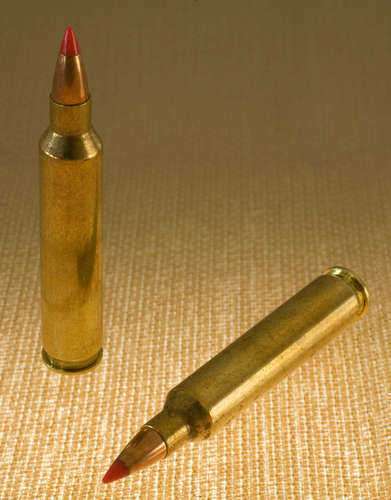
The hopes of the NRA are to dispel the negative attention that firearms have garnered over years and years of misuse for malicious purposes or crimes; even though firearms are weapons of death, the NRA assures the public that given the proper instruction, consideration, and respect for such a powerful tool, a firearm does not have to have the reputation of a harbinger of destruction, but simply as a tool with a purpose.
The NRA itself was originally founded by William Conant Church and George Wood Wingate in 1871 under its first name, American Rifle Association. Both founders were veterans of Union Army and founded the club under the premise to instruct Union troops in the ways of marksmanship and perfecting the use of rifles in the military by employing a scientific approach. Though the end result was to accurately render an enemy target disabled, the process and instruction itself would promote the responsible ownership and use of firearms for the main purpose of self-defense and protection.
The NRA has become a powerful organization in the United States, and without much surprise, the key element in the political discourse regarding firearms legislation and regulation. As a political organization, the NRA has opposed much of the U.S. government's legislation that restricts or confines the use of firearms, both at the state and federal levels.
The NRA stresses that gun rights are a natural civil liberty that is protected by the Constitution, and that its inclusion in the Bill of Rights shall not be subject to any scrutiny or control by legislation and political agendas. In the eyes of the organization, the only control of firearms that would be acceptable would be the NRA gun control; in other words, the only acceptable form of gun control and regulation would be the one that least institutes rules or restrictions upon the ownership, possession, and carrying of firearms. NRA gun control policy would simply mean no gun control.
Though political views of the NRA regarding gun control and firearm laws are constantly met in opposition by political factions and reform movements that support the regulation of firearms--and sometimes, to the strictest limits possible--the organization's political sway is undeniable; with over four million recognized members, and countless supporters and volunteers, the NRA's voice screaming for the recognition of the Second Amendment to the purest and truest version of the written letter is one that can not be ignored.
The fact of the matter is, the NRA is an organization centered around the protection of a civil liberty and right of the American people. Regardless of the political affiliation or stance one may have on firearm laws and gun control, the NRA's logic and arguments are hard to dismiss when they are inked in the United States' legal architecture.