All You Need To Know About Purchasing Gun Parts
📅 2026 Update: Recent Changes in Gun Parts Purchasing
Since the original article was published, there have been notable changes in U.S. gun laws that impact the purchasing of firearms and parts. The landscape continues to evolve, especially at the state level, with new regulations coming into effect. The earlier article continues further down the page for a broader understanding of the topic.
🏛️ Federal Legislation
As of October 2026, there have been no significant changes in federal legislation regarding the Second Amendment or federal procedures for firearm purchases. This means the foundational laws governing gun ownership remain unchanged since the previous article.
🌐 State Legislation Changes
Several states have enacted new laws affecting how firearms can be purchased. For example, California introduced a mandatory 10-day waiting period for all firearm purchases, including private sales, in 2025. This state-specific legislation can greatly influence how buyers approach purchasing decisions.
💵 Current Fees and Costs
The costs associated with background checks and concealed carry permits vary. While the FBI's NICS does not charge for background checks, Pennsylvania now charges a $5 fee for checks conducted through NICS. In Florida, the application fee for a concealed carry permit is $97 as of 2026.
📄 Forms and Processing
When buying a firearm, individuals must fill out ATF Form 4473 to provide personal information and firearm details. Some states, like New York, require additional forms, such as the State Police Form 4473A for handgun purchases. This can add complexity to the buying process.
⏰ Processing Times
Background checks through NICS are usually processed within minutes. However, delays can extend the transfer period up to three business days. For concealed carry permits, processing times vary by state.
In Texas, the average time is about 60 days.
📌 Key Points
- Federal laws on firearm purchases remain unchanged.
- California has a 10-day waiting period for firearm purchases.
- Pennsylvania introduced a $5 fee for background checks.
- ATF Form 4473 is required for federal firearm purchases.
- Processing times can vary significantly by state.
💡 Tips for Purchasing Gun Parts
Reviewing the specifics of your situation with an attorney is essential to navigating firearm laws effectively.
📝 Understand State Laws
Each state has its own laws regarding firearm purchases. Research the specific regulations in your state to ensure compliance, especially if there are mandatory waiting periods or additional forms required.
🔍 Verify Background Check Fees
While the FBI’s background checks are free, some states impose fees. Confirm whether your state requires a fee and factor that into your budget for purchasing firearms or parts.
📑 Complete Required Forms
Make sure to fill out all necessary forms accurately, including ATF Form 4473 for federal purchases. Double-check if your state requires additional documents to avoid delays.
⏳ Be Aware of Processing Times
Processing times for background checks can vary widely. If you're purchasing a firearm, plan accordingly and allow for possible delays, especially if you're in a state with longer processing times for permits.
⚠️ Know the Eligibility Rules
Understand the eligibility requirements for purchasing firearms. Ensure you meet age and background criteria, as certain convictions or mental health conditions can prohibit purchases.
📚 Explore Safety Resources
Take advantage of safety courses and resources offered by organizations like the National Shooting Sports Foundation. Knowing proper handling and storage techniques can enhance safety for you and others.
🏆 Ranked by User Reviews (2026)
This section covers online services for purchasing gun parts and firearms, reflecting user experiences as of October 2026. The list is based on Trustpilot data, with scores indicating user satisfaction. Ratings can change over time, and dissatisfied customers often leave more reviews, which may skew perceptions.
🥇 1. GunBroker.com
GunBroker.com has been rated 4.6. It is known for being a leading online firearm auction site and marketplace. Users appreciate the vast selection of firearms and parts available.
However, some report concerns about auction fees and seller reliability, which can affect the overall buying experience.
🥈 2. Guns.com
Guns.com has a Trustpilot score of 3.7. It is recognized for online firearm sales and accessories, appealing to hunters and firearm enthusiasts alike. While many users find it convenient for shopping, some have mentioned issues with stock discrepancies and order fulfillment errors, which can lead to frustration.
🆓 Free Government Resources
The Bureau of Alcohol, Tobacco, Firearms and Explosives (ATF) provides comprehensive guides on firearm laws and purchasing procedures at no cost. Additionally, the National Rifle Association’s Institute for Legislative Action offers state-specific information on firearm laws and purchasing requirements, which can be beneficial for buyers.
🔎 Factors to Compare
- 🔍 User ratings and reviews
- 💵 Fees associated with purchases
- 📄 Required forms for transactions
- ⏰ Processing times for background checks and permits
- ⚖️ State-specific regulations and waiting periods
❓ Frequently Asked Questions
❓ What is the age requirement for purchasing firearms?
Federal law states individuals must be at least 18 years old to purchase long guns and 21 years old for handguns. Some states may have stricter age requirements.
🕵️♂️ Are there fees for background checks?
The FBI does not charge for background checks through NICS. However, some states, like Pennsylvania, have implemented a $5 fee for processing checks.
🚫 What disqualifies someone from purchasing a firearm?
Individuals with felony convictions, restraining orders, or specific mental health conditions are generally prohibited from buying firearms.
🏢 Do I need a license to purchase firearms online?
Purchasing firearms online typically requires adherence to federal and state laws. Buyers must complete ATF Form 4473 and may need to have the firearm shipped to a licensed dealer.
🛡️ Are there safety courses required for firearm purchases?
Some states mandate completion of firearm safety courses for firearm purchases or concealed carry permits. It's advisable to check local requirements.
🔄 Can I sell firearms privately?
Laws regarding private sales vary by state. Some states require background checks for private sales, while others do not, making it essential to understand local regulations.
⚖️ Recent Cases Related to Gun Laws
Several recent court rulings have impacted gun purchasing laws and regulations. These decisions reflect ongoing legal interpretations of the Second Amendment and state-specific gun laws.
- Ohio Court of Appeals rules on Thomas weapons convictionOhio Court of Appeals · May 27, 2026
- New York court modifies sentence in D.D. weapon caseAppellate Division of the Supreme Court of the State of New York · May 14, 2026
- New York court affirms drug and weapon convictions of DelrioAppellate Division of the Supreme Court of the State of New York · May 12, 2026
- Court affirms conviction of Garrito Fort for firearm possessionCourt of Appeals for the First Circuit · May 12, 2026
Readers can browse more rulings on the news page for updates on new court decisions affecting gun ownership and purchasing rights.
End of October 2026 Update
Purchasing gun parts and gun accessories are an interesting subtopic to the overall firearms industry. Gun laws posses multiple layers of regulation, both on federal and state levels.
Understanding the restrictions placed on purchasing and transferring gun parts and gun accessories is crucial for avid gun users, or sellers. In order to better clarify, we will separate ammunition from more specific gun accessories.
The transfer and possession of firearm ammunition is heavily regulated under Federal law. The most basic restriction is that convicted felons, habitual drug or alcohol users, illegal aliens, or individuals subject to domestic violence restraining orders are not permitted to purchase or transfer ammunition of any kind.
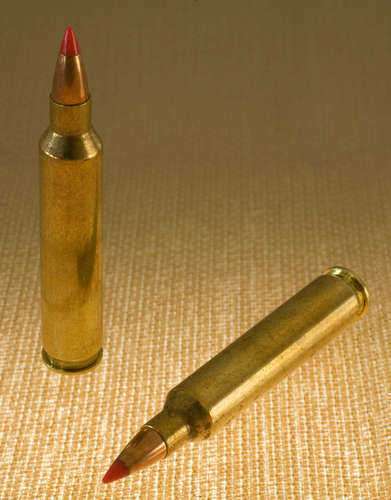
Federal law also restrict the sale of long gun ammunition to anyone under the age of 18, and handgun ammunition to anyone under 21. These are the broad regulations imposed by the Feds, but the market for ammunition is also regulated on state level. All gun accessories, such as ammunition vary greatly from state to state.
Like gun laws themselves, states have wildly different regulations on the sale and possession of ammunition. For example, Illinois and Massachusetts both require a permit to purchase any form of firearm ammunition. Most states do not require permits to purchase guns, yet these two require a permit to purchase ammunition.
Currently there are 12 states that have a ban placed on armor-piercing ammunition. Alabama, California, Connecticut, Indiana, New Hampshire, New Jersey, New York, Michigan, Mississippi, Oklahoma, Tennessee, and Texas have all adopted restrictions on the transfer, possession or sale of armor-piercing ammunition. Violations vary based on state law from a $5,000 fine to up to 10 years in prison.
The size of a magazine (a necessary gun part) also faces varying restrictions based on state law. California, Hawaii, Maryland, Massachusetts, New Jersey, and New York have all placed a limit on the size of a magazine round-the mean restriction is no more than 10-15 bullets per magazine. Other than the states already listed there are no regulations on caliber size, amount of ammunition, or magazine size. The other 35 or so states must only comply with the broad framework placed under Federal in terms of purchasing such gun accessories.
Gun Parts, such as silencers, assault rifle additions, scopes, and laser guides are all placed under the umbrella of Federal law. In order to buy an attachment for an assault rifle or any of the gun parts mentioned previously one must first require a federal license. Usually these licenses are only granted for law enforcement or military purposes. Unlike ammunition there is no variability in state laws with these gun parts. Other gun accessories, such as holsters, holders, targets, or even armor are available for immediate purchase and do not require licenses or regulations.
The regulation on gun accessories and gun parts is easy to understand if the flow of laws is broken down into a simple formula. Separating laws of the Federal government, and understanding your particular states restrictions on gun accessories and gun parts will make the breakdown of laws easy to follow.