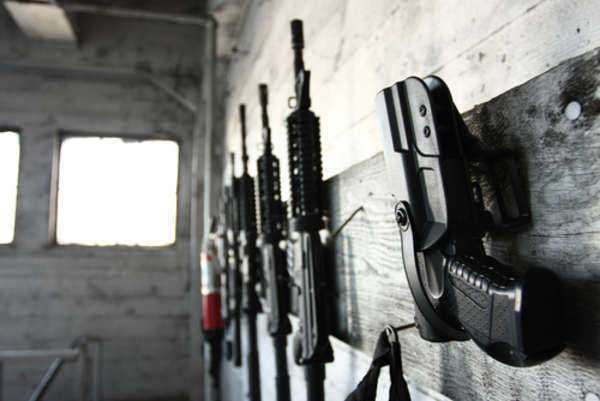
22 Caliber Weapons
📅 2026 Update: Changes in U.S. Gun Laws and 22 Caliber Weapons
Since the original article was published, there have been several developments in U.S. gun laws affecting ownership and regulations around firearms. These changes are important for understanding the current landscape of gun ownership, especially for 22 caliber weapons. The earlier article continues further down the page, providing historical context and additional details.
📰 Changes in Gun Laws
New laws have been introduced in several states. These laws address background checks, concealed carry permits, and eligibility requirements. States are continuously updating their regulations, so it's crucial to stay informed about your specific state's laws.
- 🔍 Background Checks: Many states have tightened background check requirements. This means more thorough checks are now mandatory before purchasing a firearm, including 22 caliber weapons.
🏛️ Federal Regulations
Federal laws remain in place, but some have seen updates. The Bureau of Alcohol, Tobacco, Firearms and Explosives (ATF) continues to enforce regulations on firearm ownership. Understanding these regulations is essential for responsible ownership.
- 📜 Second Amendment: The Second Amendment remains a hot topic. It serves as a legal foundation for discussions about firearm ownership and regulation.
🗺️ State-Specific Regulations
Gun laws can differ widely by state. Some states have adopted stricter rules, while others have less regulation. Always check your state’s official resources for the latest updates.
- 📍 State Resources: Your state's department of public safety can offer specific information on local laws and processes related to gun ownership.
📣 Nonprofit Assistance
Nonprofit organizations play a role in educating the public about gun rights and responsibilities. They can provide legal resources and guidance on navigating gun laws.
- 🤝 Legal Aid: Nonprofit legal aid organizations may help individuals understand their rights regarding firearm ownership and compliance with laws.
📌 Key Points
- 🔒 Background checks have become more stringent.
- 📅 Federal regulations are enforced by the ATF.
- 🌐 State laws vary widely; check local resources.
- 📖 Nonprofits provide valuable information on gun laws.
💡 Tips for Understanding Gun Ownership Laws
Review your specific situation with an attorney to ensure you understand the laws affecting your firearm ownership.
📝 Know Your State Laws
Each state has unique laws regarding gun ownership. Familiarize yourself with your state's specific regulations, as they can impact your ability to purchase firearms.
📋 Understand Background Checks
Know what background checks are required in your state. This is crucial for ensuring a smooth transaction when purchasing a firearm.
📑 Keep Documentation Handy
Always have your identification and any necessary documentation ready when applying for permits or purchasing firearms. This can speed up the process significantly.
🕒 Be Aware of Processing Times
Processing times for permits and background checks can vary. Check with local authorities for expected timelines to avoid delays.
🛡️ Seek Out Educational Resources
Utilize nonprofit organizations and government resources for educational materials on gun laws. Understanding your rights and responsibilities is essential for safe ownership.
📞 Reach Out for Help
If you have questions, consider contacting local legal aid organizations. They can provide information that may clarify your legal standing regarding firearms.
🏆 Free Options Ranked by User Reviews (2026)
No national paid service met the review threshold for this topic. Instead, this section lists free government and nonprofit resources available for assistance with firearm laws.
🥇 1. Bureau of Alcohol, Tobacco, Firearms and Explosives (ATF)
The ATF provides comprehensive information on federal firearms regulations. This includes details on classifications, licensing, and compliance requirements. They help individuals understand the federal framework surrounding gun ownership.
🥈 2. National Rifle Association (NRA)
The NRA offers resources related to firearm classifications and safety. They also provide legal considerations for gun owners. Their materials can help clarify complex legal issues related to firearms.
🥉 3. State Government Websites
Each state has its own regulations regarding firearms. State government websites provide the most accurate and current information on local laws, fees, and processes. Visiting these sites is essential for understanding your state's specific requirements.
4️⃣ Legal Aid Organizations
Nonprofit organizations specializing in legal aid offer guidance on firearm laws and rights. They can assist individuals who may need help understanding their responsibilities and legal options concerning gun ownership.
🔎 What to Check Before Paying for Help
- 🧐 Verify credentials of any service provider.
- 📅 Check for recent reviews or testimonials.
- 🔍 Ensure they specialize in gun laws.
- 💬 Ask about their experience with local laws.
❓ Frequently Asked Questions
❓ What are the federal requirements for owning a firearm?
Federal requirements include being at least 18 years old, passing a background check, and not being prohibited due to a felony conviction or certain mental health issues.
🔒 How do state laws differ regarding gun ownership?
State laws vary greatly; some states have strict regulations, while others are more lenient. Always check your state's specific laws for accurate information.
🔄 Can laws change frequently?
Yes, gun laws can change often. Staying informed through state resources is essential for responsible ownership.
📋 What documents do I need to buy a gun?
Typically, you will need a valid photo ID and may need to complete additional forms depending on your state's requirements.
🏢 Where can I find legal assistance for gun laws?
Legal aid organizations and nonprofit groups often provide resources and assistance for understanding gun laws.
📖 Is it necessary to take safety courses before owning a gun?
While not always required, taking safety courses is highly recommended. They provide essential knowledge for safe firearm handling and storage.
⚖️ Recent Court Cases Related to Gun Laws
Several recent court rulings have impacted gun laws and regulations. These cases address issues surrounding ownership, rights, and restrictions on firearms, including 22 caliber weapons.
- Court vacates sentence in weapon possession case for youthAppellate Division of the Supreme Court of the State of New York · June 10, 2026
- Court upholds conviction of Vincent Hallett for weapon chargeAppellate Division of the Supreme Court of the State of New York · June 10, 2026
- New York court upholds conviction of Robert Culton for weapon chargesAppellate Division of the Supreme Court of the State of New York · June 10, 2026
- Court upholds conviction of inmate for weapon possessionMichigan Court of Appeals · June 11, 2026
For more recent rulings, you can browse more rulings on the news page.
End of October 2026 Update
22 caliber weapons have ammunition that measures .22 inches in diameter. There are many types of weapons which use this ammunition, but one of the most popular is the 22 caliber rifle. In fact, the cartridge sold for 22 caliber rifles, is one of the most widely sold forms of ammunition around the globe.
22 caliber weapons include riffles, revolvers, shotguns and pistols. When cartridges are made for 22 caliber weapons, they are made in a way that allows them to be used in a variety of weapons. In fact, one type of cartridge can be used in several weapons, including a pistol and a revolver.
22 caliber weapons can be automatic and semi-automatic. In that case, the individual does not have to load the weapon, as it is self loading. The shooter simply needs to pull the trigger in order to fire the weapon, which then starts the sequence which continues to load the weapon.
Weapons which use 22 caliber ammunition, tend to be some of the smallest and light weight weapons available. In fact, the recoil produced by these weapons is almost not noticeable. However, there are some very powerful 22 caliber weapons. In addition to the caliber of the ammunition, there are other factors to consider, such as the length of the bullet. In fact, some 22 caliber ammunition is hollow point, which is some of the most deadly ammunition in the world, when it is accurately fired.