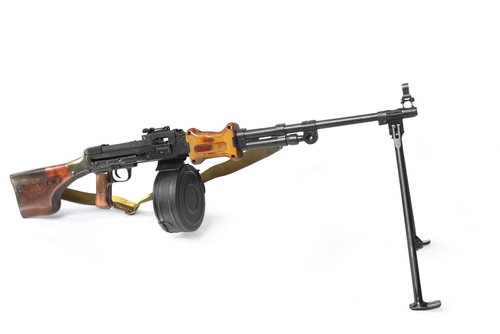
Understanding Light Machine Gun
📅 2026 Update: Recent Changes in U.S. Gun Laws
Since the original article, there have been ongoing discussions about gun laws in the United States. However, no significant changes have been officially recorded regarding light machine guns specifically. The earlier article provides foundational knowledge on light machine guns and their legality.
📜 Historical Context
The Second Amendment of the U.S. Constitution, ratified in 1791, continues to be a cornerstone in discussions about gun ownership. It emphasizes the right to "keep and bear Arms," but interpretations of this right vary widely.
Historical context remains crucial for understanding current laws.
🔍 Federal Regulations
The Bureau of Alcohol, Tobacco, Firearms and Explosives (ATF) oversees federal firearms regulations. It provides guidance on classifications and licensing. This federal oversight helps ensure compliance with national laws.
🏛️ State Variations
Gun laws can significantly differ by state. Each state has its own rules about purchasing, owning, and carrying firearms. It's essential for individuals to check their state’s official resources for the most accurate and specific information.
⚖️ Legal Resources
Many legal aid organizations focus on firearm laws. These nonprofits offer guidance on rights and responsibilities. They can help clarify complex regulations, especially for those unsure about their legal standing.
📚 Educational Materials
Organizations like the National Rifle Association (NRA) provide educational resources on firearm safety and legal matters. These materials can help individuals better understand their rights concerning gun ownership.
📌 Key Points to Remember
- Second Amendment remains central to U.S. gun law discussions.
- ATF oversees federal regulations and classifications.
- State laws vary widely, check local resources.
- Legal aid organizations can assist with clarifications.
- Educational resources are available for better understanding.
💡 Tips for Understanding Gun Ownership and Regulations
Review the details of your specific situation with your attorney.
🏷️ Know the Laws
Each state has its own firearm laws. Familiarize yourself with local regulations to ensure compliance.
📝 Keep Records
Maintain records of your firearm purchases and registrations. Proper documentation can help avoid legal issues down the line.
📞 Contact Local Authorities
If unsure about specific regulations, reach out to local law enforcement. They can provide clarity on what is allowed in your area.
📚 Utilize Educational Resources
Access information from organizations like the NRA. They offer guidance on safety and legal responsibilities.
🛡️ Stay Informed
Gun laws can change frequently. Regularly check official state and federal resources for updates to stay informed.
🕵️♂️ Seek Legal Help
If you have questions about your rights, consider contacting legal aid organizations. They can provide insights into firearm laws and your rights.
🏆 Free Options Ranked by User Reviews (2026)
Currently, no national paid service meets the review threshold for gun law assistance. Therefore, this section focuses on free government and nonprofit resources available.
🥇 1. Bureau of Alcohol, Tobacco, Firearms and Explosives (ATF)
The ATF provides comprehensive information on federal firearms regulations. It covers classifications, licensing, and compliance requirements. This resource is essential for anyone looking to understand federal gun laws.
🥈 2. National Rifle Association (NRA)
The NRA offers a variety of resources related to firearm classifications and safety. It also provides legal considerations for gun owners. This organization aims to educate individuals about their rights and responsibilities regarding firearm ownership.
🥉 3. State Government Websites
Each state has its own official website with specific information about local gun laws. This can include details on permits, fees, and regulations. Checking your state's resources ensures you have accurate and timely information.
4️⃣ Legal Aid Organizations
Nonprofit organizations specializing in legal aid often focus on firearm laws and rights. They can help individuals navigate the complexities of gun ownership. These organizations typically offer free or low-cost guidance.
🔎 What to Check Before Paying for Help
- 🔍 Look for credentials and qualifications of the source.
- 📜 Verify reviews or testimonials from other users.
- 📞 Confirm if there are fees for services provided.
- 🆕 Ensure the information is up-to-date and relevant.
- 📋 Check if the organization offers additional resources for learning.
❓ Frequently Asked Questions
🔒 What is the process for purchasing a firearm?
The process varies by state but generally includes background checks and completing required forms. Always consult local laws for specific steps.
📜 Are there restrictions on the types of firearms I can own?
Yes, restrictions can vary based on state laws. Some states prohibit certain types of firearms or require specific permits.
☑️ How can I legally carry a firearm?
Carrying a firearm legally often requires a concealed carry permit. Each state has its own application process and requirements.
🔍 Where can I find updated information on gun laws?
Official state government websites and the ATF are good sources for the latest information regarding gun laws and regulations.
📖 What should I do if I encounter legal issues related to firearms?
Consulting a legal aid organization or attorney can provide the necessary guidance to navigate legal challenges.
📈 How can I stay informed about changes in gun laws?
Regularly check official resources, like state websites and the ATF, for updates on gun laws and regulations.
⚖️ Recent Court Cases Related to Gun Laws
Recent court rulings have influenced interpretations of gun laws and the Second Amendment. These rulings can shape the landscape of firearm ownership and rights in the U.S.
- New Mexico court upholds road rage shooting convictionNew Mexico Court of Appeals · August 12, 2026
- Georgia court upholds conviction in gang-related shooting caseCourt of Appeals of Georgia · August 19, 2026
- Ohio Court upholds conviction of Arbe Beane for shootingOhio Court of Appeals · August 19, 2026
- Court rules in favor of landlords in shooting case appealAppellate Division of the Supreme Court of the State of New York · August 26, 2026
For more recent rulings, you can browse more rulings on the news page.
End of October 2026 Update
Heavy machine guns are those which are considered the first generation of machine guns, while light machine guns are those more recently invented. The difference between the weapons can be seen in the weight and shape of the gun, as well as the accuracy of each weapon.
Heavy machine guns is the term often utilized to describe the machine guns that were manufactured and utilized during World War I. The guns were cumbersome and bulky, making it difficult for soldiers to utilize the weapon. In addition,the bulky weapons were often inaccurate, partly because they were difficult to maneuver. However, the heavy machine guns were able to be fired for long periods of time, because of a water chamber which kept the gun cool. Without the cooling chamber, the guns would quickly overheat, rendering them inoperable.
Light machine guns were created so that one soldier could operate the gun independently. The light machine gun is capable of firing in bursts of ten rounds. Soldiers usually have the assistance of a bi pod on which they set the weapon. However, unlike the heavy machine gun, light machine guns did not require that more than one solder be there in order to operate the gun. Light machine guns also fire ammunition which is generally a lower caliber than that which is fired by a heavy machine gun.