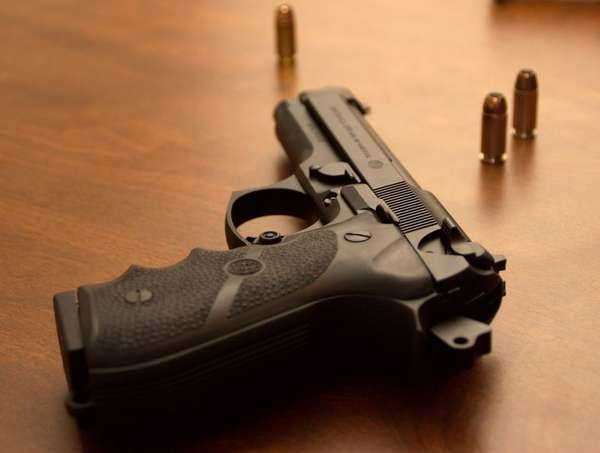
Understanding Replica Weapons
📅 2026 Update: Recent Changes in Replica Weapons Legislation
Since the original article was written, there have been important developments regarding replica weapons and their regulation. This includes updates on how laws are enforced and the resources available for understanding gun laws. The original article continues further down the page, providing foundational knowledge about replica weapons.
🛠️ New Regulations on Replica Weapons
New laws may impact how replica weapons are classified and sold. These changes focus on the clear distinction between real firearms and replicas to avoid confusion and misuse. It's essential for buyers to understand these classifications, as they can affect legal ownership.
- 🔍 Background Checks: Recent changes do not require background checks for purchasing replica weapons. However, buyers should verify local laws, as some states have their own rules.
📜 Understanding the Second Amendment
The Second Amendment remains a crucial part of the discussion on replica weapons. It guarantees the right to bear arms, but interpretations of this can affect how replica weapons are viewed legally.
- 🗣️ Legal Interpretations: Courts continue to interpret the Second Amendment in various ways. This may affect how laws surrounding replicas are enforced in different states.
🏢 Resources for Legal Help
If you have questions about owning a replica weapon, consult reliable resources. Several organizations offer guidance on firearms laws, including those related to replicas.
- 📚 Government Resources: The Bureau of Alcohol, Tobacco, Firearms and Explosives (ATF) is a primary source for information on firearm regulations. They provide guidelines on classifications and compliance.
💰 Costs and Fees
While replica weapons do not generally have the same fees as real firearms, understanding potential costs is essential. Some states may impose fees for permits or registrations.
- ⚖️ Local Fees: Check your state’s government website for specific fees associated with owning or purchasing replica weapons.
📌 Key Takeaways
- 🔑 Regulations are Changing: New laws may affect how replica weapons are classified.
- 📜 Second Amendment: The right to bear arms also includes replicas but varies by state.
- 🏢 Use Reliable Sources: The ATF and local government sites are valuable for accurate information.
- 💰 Know the Costs: Understand any fees related to your state’s laws on replicas.
💡 Tips for Understanding Replica Weapons
It's important to discuss any questions you have about replica weapons with your attorney.
🎯 Know Your State Laws
Each state has different laws regarding replica weapons. Research your state’s regulations to ensure compliance.
📞 Contact Local Authorities
If you're uncertain about local laws, contacting local law enforcement can provide clarity. They can inform you of any specific rules in your area regarding replica weapons.
🌐 Use Government Resources
The ATF offers comprehensive information regarding firearms and replicas. Utilize their resources for up-to-date information on classifications and regulations.
📑 Keep Documentation
If you own a replica weapon, keep all documentation organized. This includes any purchase receipts and any required permits.
👥 Join Local Groups
Consider joining local firearm or replica weapon groups. They often provide support and clear information on laws and best practices.
🔍 Stay Informed
Gun laws can change frequently. Regularly check local government websites for updates regarding replica weapons and their regulations.
🏆 Free Options Ranked by User Reviews (2026)
Currently, no national paid service in this area met the review threshold, so this section highlights free government and nonprofit resources mentioned in the facts.
🥇 1. Bureau of Alcohol, Tobacco, Firearms and Explosives (ATF)
The ATF provides extensive information about federal firearms regulations. This includes details on what qualifies as a replica weapon and the requirements for ownership.
Their website is useful for anyone looking to understand the legal landscape surrounding firearms and replicas. They offer resources to help individuals navigate compliance requirements.
🥈 2. National Rifle Association (NRA)
The NRA offers resources that cover a broad range of topics related to firearms. This includes safety guidelines and legal considerations for owning replica weapons.
Their materials can be beneficial for individuals seeking to educate themselves on firearm classifications and responsibilities.
🥉 3. State Government Websites
Each state has its own set of rules regarding firearms and replicas. Visiting your state's official website can provide specific information on local laws, fees, and processes for purchasing replica weapons.
This is a critical step for anyone interested in understanding their rights and responsibilities as a firearm owner.
🔎 What to Check Before Paying
- 🧐 Verify Credentials: Ensure the source is legitimate and has a good reputation.
- 💬 Read Reviews: Look for user feedback to assess the reliability of the resource.
- 📖 Look for Updates: Check if the information is current and relevant to your situation.
- 🗂️ Request Documentation: Ask for any legal documents or references to support claims made.
❓ Frequently Asked Questions
❓ What defines a replica weapon?
A replica weapon is often designed to resemble a real firearm but is not capable of firing live ammunition. Laws regarding their classification may vary by state.
⚠️ Are there restrictions on selling replica weapons?
Yes, states can impose restrictions on the sale of replica weapons. It's essential to check local laws for any specific requirements or prohibitions.
🔍 How can I find out about my rights as a replica weapon owner?
The ATF and local government websites provide information on rights and responsibilities related to owning replica weapons.
🏢 Can I use a replica weapon in public?
Using a replica weapon in public may raise legal concerns. Always check local laws regarding carrying or displaying replica weapons in public spaces.
📞 Where can I get legal assistance regarding replica weapons?
Legal aid organizations and local law enforcement can provide guidance on laws related to replica weapons. They can help clarify any questions or concerns.
🗓️ How often do gun laws change?
Gun laws can change frequently, especially at the state level. Regularly check government websites for the latest updates on firearms and replica regulations.
⚖️ Recent Cases Related to Replica Weapons
Recent court rulings have further clarified the legal status of replica weapons within the context of the Second Amendment. These rulings can influence how laws are applied and interpreted regarding ownership and sales of replicas.
- Ohio court upholds sentencing in drug and weapons caseOhio Court of Appeals · September 25, 2026
- Court rules on gang identity disclosure in Bronx shooting caseNew York Supreme Court, Bronx County · August 24, 2026
- Arkansas court upholds firearm possession convictionCourt of Appeals of Arkansas · September 23, 2026
- Court upholds conviction of Charles Ewing, Jr. for firearm chargeCourt of Appeals of Arkansas · September 30, 2026
For more detailed information on recent rulings, you can browse more rulings on the news page.
End of October 2026 Update