Read This Argument Against Gun Control
📅 2026 Update: Recent Changes in Gun Law and Regulations
Since the original article was published, there have been significant updates in U.S. gun laws that impact ownership and regulations. This section highlights the most relevant changes that affect gun control, ownership, and related legal matters. The earlier article continues further down the page.
🔄 Exciting Deregulation from the ATF
On October 9, 2026, the Bureau of Alcohol, Tobacco, Firearms and Explosives (ATF) announced a major change. It will no longer enforce certain provisions of the National Firearms Act (NFA). This means that short-barreled rifles, short-barreled shotguns, suppressors, and "any other weapons" can now be transferred without prior ATF approval or registration.
⚖️ Court Ruling Impacts Gun Laws
On the same date, the Department of Justice decided not to appeal a U.S. District Court ruling. This ruling found certain provisions of the NFA unenforceable.
As a result, the ATF's new guidance is less strict and affects how these firearms are treated legally.
📜 Changes in State Laws
Connecticut passed a law effective October 1, 2026, making it a class D felony to knowingly import, advertise, sell, or expose for sale any convertible pistol made after this date. This change shows how state laws can be stricter than federal regulations.
💰 Fees for NFA Items
While some regulations have been relaxed, the $200 tax on machine guns and destructive devices under the NFA remains unchanged. Individuals still need to pay this tax if they want to own these items.
📅 Processing Times for Applications
Processing times for NFA applications can vary. Individuals interested in obtaining NFA items should check the ATF's official website for the most current estimates. It's important to stay updated on these timelines.
📌 Key Points to Remember
- 🔥 ATF no longer enforces some NFA provisions.
- ⚖️ DOJ will not appeal certain court rulings on firearms.
- 🚫 Connecticut has new laws on convertible pistols.
- 💵 $200 tax for machine guns remains.
- ⏳ Check ATF for NFA application processing times.
💡 Tips for Understanding Gun Laws
Reviewing the details of your specific situation with an attorney can clarify complex legal matters.
🏛️ Understand Federal and State Laws
Federal laws set minimum standards for firearm ownership. However, some states have additional rules. Always check both federal and state regulations to ensure compliance.
📋 Know Eligibility Rules
Certain individuals cannot possess firearms due to felony convictions, domestic violence convictions, or restraining orders. Understanding these rules is crucial before attempting to buy a gun.
📝 Be Aware of NFA Requirements
If you want to own items regulated under the NFA, you must submit specific forms. ATF Form 4 is needed for transfers, while Form 1 is required for making new NFA firearms.
📅 Keep Track of Deadlines
When new laws are enacted, such as Connecticut's regulations on convertible pistols, it's important to be aware of effective dates. This knowledge can help avoid legal issues.
📞 Use Official Resources
Government agencies like the ATF and state agencies offer guidance on firearm laws. Utilize these resources for accurate information on regulations and compliance.
📚 Stay Updated
Firearm laws can change frequently. Regularly checking official channels can help you stay informed about any new regulations or changes that may affect you.
🏆 Free Options Ranked by User Reviews (2026)
No national paid service in this area met the review threshold, so this section lists free government and nonprofit resources to help you understand gun laws and regulations.
🥇 1. ATF Resources
The ATF provides a wealth of information on firearm laws and regulations. Their website includes guidance on how to comply with both federal and state laws, making it a valuable resource for firearm owners.
🥈 2. State Police Departments
State police or public safety departments often have dedicated resources for firearm laws. They can offer assistance and information regarding state-specific requirements that may be more restrictive than federal laws.
🥉 3. Legal Aid Organizations
Many nonprofit legal aid organizations provide free legal assistance. These groups can help individuals understand their rights and responsibilities under both federal and state firearm laws.
4️⃣ Community Workshops
Local community centers sometimes hold workshops on firearm laws and ownership. These events can provide valuable insights and answer questions about local regulations.
5️⃣ Online Government Portals
Various state and federal online portals offer access to legal documents and forms necessary for firearm ownership. These resources allow users to navigate the legal processes easily.
🔎 Important Checks Before Paying for Help
- 🔍 Verify the credentials of the service.
- 📝 Check for user reviews or testimonials.
- 📅 Confirm that the service is up-to-date.
- 📞 Ensure they provide accurate legal information.
❓ Frequently Asked Questions
❓ What does the recent ATF change mean for gun owners?
The ATF’s change allows for easier transfer of certain firearms without prior approval. This means fewer hurdles for gun owners regarding specific items.
🤔 How do I know if I can legally own a firearm?
Eligibility is determined by federal and state laws. Individuals with felony convictions or certain domestic violence convictions are generally prohibited from owning firearms.
🔍 What is the process for transferring NFA items?
To transfer NFA items, individuals must submit ATF Form 4. It's essential to ensure all paperwork is completed accurately to avoid delays.
📅 Are there new laws in my state affecting gun ownership?
Each state can have different laws regarding firearms. Always check your state’s regulations to understand any new laws that may affect ownership.
💵 Is there a fee for owning NFA items?
Yes, there is a $200 tax for machine guns and destructive devices. This fee remains in place as part of the NFA regulations.
🕵️♂️ Where can I find official information on gun laws?
Official information can be found on the ATF's website and through state police departments. These resources provide up-to-date guidance and legal requirements.
⚖️ Recent Cases Related to Gun Control
Recent court rulings have impacted interpretations of gun laws and regulations. These cases often highlight the tension between federal and state laws regarding firearm ownership and rights.
- Massachusetts court upholds conviction in firearm caseMassachusetts Supreme Judicial Court · July 29, 2026
- Eighth Circuit upholds sentence for Travon Rice's firearm chargesCourt of Appeals for the Eighth Circuit · August 18, 2026
- Texas Court upholds murder conviction in domestic shooting caseTexas Court of Appeals, 1st District (Houston) · August 13, 2026
- Maryland Court Rules on Firearms Testimony and Public TrialsCourt of Appeals of Maryland · June 26, 2026
Readers can browse more rulings in the news section.
End of October 2026 Update
The political debate over gun control legislation and regulation in the United States has typically turned on the interpretation of the Second Amendment being proposed by the individual or group making the argument, and from then on to the applicability found by that argument of the Constitutional provision to the exigencies of modern American life. Individuals against gun control, in part or in whole, are typically identified in terms of American political discourse with the conservative, rightward side of the U.S. political spectrum.
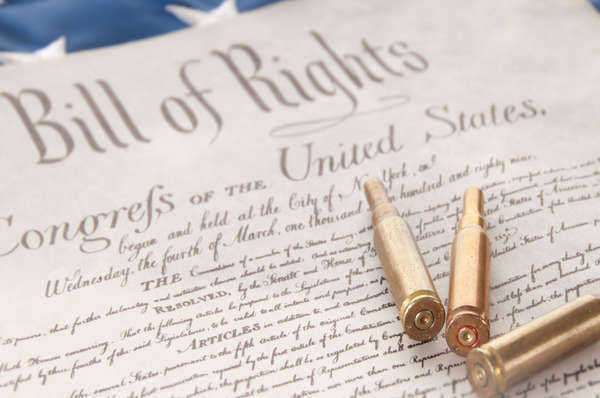
The anti gun control argument generally produced by conservative-leaning activists, commentators, and politicians has also appealed to the notion of firearms possessing a traditional place in American culture. Another argument against gun control turns on the notion that people who go through the legal steps for firearm possession are less likely to then use their firearm to commit a wrongful or illegal action with those weapons.
Anti gun control arguments also appeal to the Second Amendment as broadly acting against the ability of American legislators and regulators to prevent Americans from gaining access to guns in a wide variety of settings.
This argument against gun control holds that the basic intent of the Constitutional Amendment should be honored, as a matter of national principle, while also allowing for the Second Amendment to be sufficiently parsed in order to allow for it to apply to the greatly different context of, first, 20th century, and now the 21st century United States. This position against gun control has thus been used to argue down legislation.