Easy Overview of Automatic Shotgun
📅 2026 Update: Changes in Automatic Shotgun Regulations
Since the original article was published, there have been significant changes in the regulations surrounding automatic shotguns, particularly concerning tax fees and registration processes. The updates reflect new federal tax laws that can simplify the process for those interested in owning short-barreled shotguns. The earlier article continues further down this page, providing foundational information on automatic shotguns.
🛠️ Federal Tax Changes
As of January 1, 2026, the federal tax for registering short-barreled shotguns under the National Firearms Act (NFA) has been reduced from $200 to $0. This change makes it more affordable for individuals to register these firearms legally.
📃 NFA Registration Process
To own a short-barreled shotgun legally, individuals must follow the NFA registration process. This includes submitting ATF Form 4, providing fingerprints, and undergoing a background check. Individuals must receive ATF approval before they can take possession of the firearm.
⏳ Processing Times
The approval process for registering NFA items, including short-barreled shotguns, typically takes several months. However, the exact duration can vary. Applicants should plan for potential delays in processing times.
📜 State Variations
State laws regarding short-barreled shotguns can differ significantly. Some states may impose additional restrictions or outright bans. It's important for potential owners to familiarize themselves with their specific state's regulations.
📌 Key Points to Remember
- 📅 Federal tax for registering short-barreled shotguns is now $0.
- 🛠️ NFA registration requires completing ATF Form 4 and background checks.
- ⏳ Processing times for approval can take several months.
- 📜 State laws may have additional restrictions on ownership.
- 🚫 Possessing an unregistered NFA item is illegal.
💡 Tips for Navigating Shotgun Ownership
Review your individual situation with an attorney to ensure compliance with all laws regarding shotgun ownership and registration.
🔍 Understand the Age Requirement
Individuals must be at least 18 years old to purchase a shotgun from a licensed dealer. This is a federal requirement and does not vary by state.
🚫 Know the Prohibited Persons List
Federal law prohibits individuals with felony convictions, certain mental health conditions, or restraining orders from purchasing firearms. Understanding these restrictions is crucial before attempting to buy a shotgun.
📦 Online Purchase Procedures
When buying a shotgun online, the firearm must be shipped to a licensed Federal Firearms Licensee (FFL) dealer. The FFL dealer will conduct the necessary background check and facilitate the transfer.
🏷️ Registration for Suppressors
As of January 1, 2026, the federal tax for registering suppressors is also $0. This change may encourage more firearm owners to register their suppressors legally.
📏 Know Shotgun Specifications
To avoid NFA regulations, standard shotguns must have a barrel at least 18 inches long and an overall length of at least 26 inches. Understanding these specifications can help avoid legal issues.
⚖️ Be Aware of Sawed-Off Shotgun Regulations
Modifying a shotgun to have a barrel shorter than 18 inches or an overall length under 26 inches without proper NFA registration is illegal. This can lead to serious penalties.
🏆 Free Options Ranked by User Reviews (2026)
No national paid service in this area met the review threshold for this topic, so this section highlights free government and nonprofit resources available to the public. These resources can provide guidance on shotgun ownership and registration.
🥇 1. Bureau of Alcohol, Tobacco, Firearms and Explosives (ATF)
The ATF offers comprehensive guidance on firearm laws and registration processes. They provide resources for individuals interested in purchasing, registering, and owning firearms, including short-barreled shotguns. The ATF can help clarify any questions related to the NFA and its requirements.
🥈 2. Local Law Enforcement Agencies
Local law enforcement agencies often provide information about state-specific gun laws and registration requirements. They can assist with understanding local regulations and may have resources available for prospective shotgun owners.
🥉 3. State Firearms Associations
Many states have firearms associations that offer resources and support for gun owners. These associations can provide information on state laws, host educational events, and connect individuals with legal experts.
4️⃣ Nonprofit Legal Aid Organizations
Some nonprofit organizations focus on assisting individuals with legal issues surrounding firearms. They may provide resources or connect individuals with legal professionals who can help navigate the complexities of gun ownership laws.
🔎 What to Check Before Paying for Help
- 📜 Verify the legitimacy of the service.
- 💰 Compare costs with free options.
- 🔍 Read user reviews and testimonials.
- 📞 Contact the organization for questions.
- 📝 Ensure they specialize in firearms law.
❓ Frequently Asked Questions
❓ What is considered a short-barreled shotgun?
A short-barreled shotgun is defined as a shotgun with a barrel shorter than 18 inches or an overall length under 26 inches. This classification falls under the National Firearms Act (NFA).
🔒 Can I own a shotgun if I have a felony conviction?
No, federal law prohibits individuals with felony convictions from purchasing firearms, including shotguns. Understanding this restriction is vital for compliance.
🕒 How long does it take to get NFA approval for a shotgun?
The NFA approval process typically takes several months, but the exact processing time can vary. Applicants should be prepared for potential delays.
📦 Are there restrictions on online shotgun purchases?
Yes, when purchasing a shotgun online, the firearm must be shipped to a licensed Federal Firearms Licensee (FFL) dealer. The dealer will conduct a background check and facilitate the transfer.
🚫 What penalties exist for possessing an unregistered shotgun?
Possessing an unregistered short-barreled shotgun is a federal crime. Violators can face severe penalties, including up to 10 years in prison.
🔍 How do state laws affect shotgun ownership?
State laws vary regarding the ownership and registration of shotguns. Some states have additional restrictions or outright bans, so it's important to review local laws.
⚖️ Recent Cases Related to Shotgun Ownership
Recent court rulings have addressed various issues related to shotgun ownership and the regulations surrounding them. These decisions can impact how individuals navigate the legal landscape of firearms.
- New York court affirms conviction in firearm possession caseAppellate Division of the Supreme Court of the State of New York · June 17, 2026
- Ohio court upholds conviction of Kayla Hargraves in shooting caseOhio Court of Appeals · June 22, 2026
- Ohio court affirms murder convictions in bar shooting caseOhio Court of Appeals · June 23, 2026
- Court overturns weapon conviction, designates defendant youthful offenderAppellate Division of the Supreme Court of the State of New York · June 24, 2026
Explore more recent rulings by visiting the news section for updates on firearm laws and regulations. more rulings on the news page.
End of October 2026 Update
Shotguns come in a variety of forms and can use several types of ammunition, including small pellets and slugs. Shotguns can be single or double barrel. There are hand loaded shotguns as well as semi automatic shotguns and automatic shotguns.
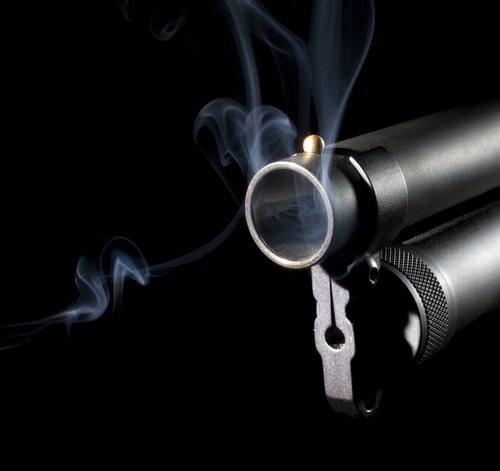
Semi automatic shotguns and automatic shotguns are very similar. The difference between the two lies in the trigger. Automatic shotguns require the shooter to pull the trigger one time and the gun continues to fire as long as the trigger is held down. However, semi automatic shotguns require that the shooter continue to pull the trigger. In both cases, the guns are self loading and continue to pull ammunition until there is non left or until the shooter releases the trigger.
Both semi automatic shotguns and automatic shotguns generally include ammunition magazine which is automatically loaded as the force of gas propels the ammunition through the barrel of the gun.
In the United States, automatic shotguns and semi automatic shotguns are often utilized for military purposes. These guns are often compared to assault rifles but and can be used in their place for certain types of battle and scenarios. The military has a myriad of weapons, each with a specific purpose and for certain scenarios. For example, semi automatic shotguns and automatic shotguns may be used in close battle situations, as to provide fast and accurate shooting ability. The public does not have access to these guns for the very reasons that the military uses them, they are deadly accurate.