Understanding State Variations
📅 2026 Update: Key Changes in US Gun Laws
Since the original article was written, there have been important updates to gun laws across several states. The changes reflect shifts in requirements for purchasing and carrying firearms. This update will highlight the most significant developments that relate to state variations in gun laws.
📜 Michigan's New Requirements
As of early 2024, Michigan requires a firearms purchase license or a concealed handgun license to buy a firearm. For long guns, a background check must be completed by a licensed dealer within five days before the purchase. This marks a notable shift in how Michigan regulates firearm transactions.
- 🔍 Background Checks: Applicants must undergo a background check through the Department of State Police, which checks both state databases and the National Instant Criminal Background Check System (NICS).
🔓 Alabama's Permitless Carry
Alabama enacted "permitless carry" in 2022, allowing individuals to carry concealed handguns in public without a permit. This repeal of a longstanding requirement has changed the landscape for gun owners in the state.
- 🏢 Local Fees: The fee for a concealed handgun license varies by county, as set by the county sheriff's office.
🔄 Kentucky's License Repeal
In 2019, Kentucky removed the requirement for a license and background check for carrying concealed firearms in public. This change simplifies the process for gun owners in the state.
- 📑 Application Process: Applicants for any firearm-related licenses still need to apply through the Kentucky State Police, who conduct necessary background checks.
🚫 Ohio's Permit Changes
Ohio also made changes in 2022 by repealing the law that required individuals over 21 to obtain a permit and background check for concealed carry. This adjustment reflects a broader trend toward less regulation in several states.
- 🔐 Background Check: Similar to other states, applicants must complete a background check through their county sheriff's office.
📌 Summary of Key Points
- 📍 Michigan now requires a purchase or concealed carry license.
- 📍 Alabama allows permitless carry for concealed handguns.
- 📍 Kentucky has removed licensing requirements for concealed carry.
- 📍 Ohio no longer requires a permit for concealed handguns.
- 📍 Each state has varying fees and background check processes.
💡 Tips for Understanding Gun Laws
Review the details of your specific situation with your attorney. Understanding the nuances of gun laws is critical for compliance and safety.
⚖️ Understand Local Variations
Each state has different laws regarding gun ownership. Familiarize yourself with your state's specific requirements for purchasing and carrying firearms.
📅 Check Background Check Requirements
Before buying a firearm, know the background check requirements in your state. Some states require checks conducted by state police or local sheriffs.
💰 Be Aware of Fees
Fees for concealed carry licenses can vary by county. Make sure to check with your local sheriff’s office for the exact costs.
🔍 Stay Updated on Changes
Gun laws can change frequently. Regularly check for updates to your state's regulations to remain compliant.
🛡️ Know Eligibility Rules
Eligibility to possess a firearm often includes age, citizenship status, and legal residency. Be sure you meet all criteria before attempting to purchase a firearm.
📞 Utilize Free Resources
Many states have government agencies that provide information about firearm purchases and background checks. Take advantage of these resources for clarity on the laws.
🏆 Services Ranked by User Reviews (2026)
The services listed provide a range of options related to firearms and ownership. Their rankings are based on Trustpilot scores as of October 2026. Ratings may change over time, and they reflect customer experiences.
High scores indicate satisfaction, but unhappy customers tend to leave more reviews, so consider the overall context.
🥇 1. GunBroker.com
GunBroker.com has been rated 4.6 out of 5 stars. Known as an online marketplace for firearms and accessories, it facilitates transactions between buyers and sellers. However, some reviewers mention that customer service response times may be delayed due to high sales volumes.
🆓 Free Government Resources
Many states offer free assistance for navigating firearm laws. For example, Michigan State Police and Alabama Law Enforcement Agency provide information on purchasing firearms and background checks. These resources can help clarify any questions regarding legal requirements.
🔎 What to Compare When Choosing a Service
- 🛒 Marketplace Options: Look at the variety of firearms available.
- 📞 Customer Service: Evaluate response times and support quality.
- 💰 Fees and Costs: Consider any hidden fees before completing a transaction.
- 📜 Compliance with Laws: Ensure the service follows state regulations.
❓ Frequently Asked Questions
❓ What is a firearms purchase license?
A firearms purchase license is required in some states, like Michigan, to buy a firearm legally. It ensures a background check has been conducted prior to the purchase.
🔍 How long does a background check take?
Background checks generally take a few minutes to several days, depending on the state's process and the volume of checks being conducted.
💵 Are there fees for background checks?
In some states, there may be fees associated with obtaining a background check. These fees can vary by county and may not be the same in every location.
🔒 What are the eligibility requirements for gun ownership?
Most states require gun owners to be at least 18 or 21 years old, be U.S. citizens or legal residents, and not be prohibited from possessing a firearm under state or federal law.
📅 How often do gun laws change?
Gun laws can change frequently, sometimes even yearly. It is important to stay informed about the regulations in your state to ensure compliance.
📞 Where can I get more information about firearm laws?
You can contact your state's law enforcement agency or visit their official website for up-to-date information about firearm laws and regulations.
⚖️ Recent Cases Related to Gun Laws
Recent court rulings have shaped how gun laws are interpreted and enforced across various states. These decisions can impact regulations on purchasing and carrying firearms.
- Illinois Court Upholds Conviction of Man for Gun PossessionAppellate Court of Illinois · October 20, 2026
- Second Circuit affirms judgment in firearm trafficking caseCourt of Appeals for the Second Circuit · October 20, 2026
- Massachusetts court upholds firearm age restriction rulingMassachusetts Supreme Judicial Court · October 20, 2026
- New Jersey court upholds search of vehicle in gun caseNew Jersey Superior Court Appellate Division · October 20, 2026
For more recent rulings, please check more rulings on the news page.
End of October 2026 Update
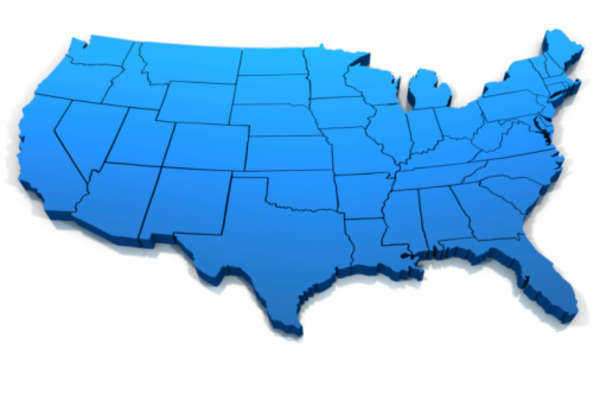
If you're looking to purchase a gun in the near future you must be cognizant of the varying state laws placed on gun dealers and consumers. All 50 states have unique gun laws adopted through their particular legislation. In general, more conservative states will have looser gun laws while liberal states will possess more strict gun laws.
The starting point to purchase a handgun or rifle is a permit to purchase. States that require such a license will force a consumer to go through background checks, fingerprinting, and sometimes weapons training courses before purchasing a firearm through gun dealers. The following states require a permit to purchase a handgun at local gun stores-
Connecticut
Hawaii
Illinois
Iowa
Massachusetts
Michigan
Minnesota
Missouri
New Jersey
New York
North Carolina
Puerto Rico
States not listed do not require a permit to purchase a handgun through gun dealers. The length of validity and fees associated with a permit range between each state. The application process also varies, but most commonly includes-background checks, fingerprints, a fee of $100, and a life of 3 years before renewal.
Although state laws vary greatly for gun dealers and buyers, gun stores must comply with the broad regulations in which Federal Law dictates. Before administering a transaction, a gun dealer must acknowledge that buyer of a handgun is over the age of 21, and legally competent to purchase such a weapon. An individual over the age of 18 is permitted to purchase a rifle or shotgun from a gun dealer.
Felons, drug addicts, the mentally deranged, and illegal aliens are all barred from purchasing a weapon at gun stores. Gun stores will accept any buyer if he/she is over 21 years of age and possess mandatory credentials imposed by state law. Although Federal law trumps state law, state gun dealers and law enforcement are not required to administer such laws.
More Conservative states, often ignore such practices as mandatory background checks at gun stores or gun shows to make transactions less complicated. A bill passed in 1994 (Brady Bill) required background checks at time of purchase at gun stores and gun shows. Currently only 8 states follow through with this "mandatory" check.
The most confusing issue in regards to state gun laws and their variations is the contradictions and backwardness associated with such differences. For instance, gun stores will recognize an out of state license from one state, but reject the same type of a license from another state. For example, Arizona will recognize a permit to carry from Nevada, but Nevada won't recognize a permit to carry from Arizona. If an Arizona resident crosses into Nevada with a loaded handgun on him, shows an officer an Arizona license, he or she will be apprehended for illegal carrying. This generally has to do with concealment and carrying purposes, but if transactions were made through gun dealers one still must be aware of these nonsensical rules.
It's never good to generalize but in the case of varying gun laws stereotyping can make the process easier to understand. Conservative places, such as states in the deep south and Midwest will commonly have very loose gun laws, and often exclude permits for purchase as necessary. Liberal states, regions in the northeast, or west coast, will have more rigid gun laws, and although may not require permits or licenses for gun dealers, will still have complications in regards to purchase and use.