Gun Silencer At A Glance
📅 2026 Update: Changes in Gun Silencer Regulations
Since the original article was written, there have been no significant updates to the federal regulations on gun silencers, also known as suppressors. The basic legal framework remains the same, but readers should stay informed about local laws, as they can vary widely by state. You can find more information about these laws further down the page.
📜 Changes in Federal Regulations
The federal rules surrounding silencers have not changed. The Bureau of Alcohol, Tobacco, Firearms and Explosives (ATF) continues to oversee the regulation of suppressors. Individuals still need to submit a Form 4 application to purchase a silencer, along with a $200 tax stamp.
🏛️ State-Specific Laws
Gun laws can vary from state to state. Some states have more restrictive laws regarding the ownership and use of silencers. It is essential to check your state’s specific regulations to ensure compliance.
📝 Application Process
The application process for obtaining a silencer remains similar to what it was before. Applicants must complete the Form 4, which includes fingerprinting and a background check. Processing times can take several months.
💼 Eligibility Requirements
To qualify for a silencer, individuals must meet several eligibility criteria. This includes being at least 21 years old and passing a background check. Felons and individuals with certain mental health issues are typically prohibited from ownership.
📌 Key Points to Remember
- 🔍 Federal regulations on silencers remain unchanged.
- 📜 State laws can differ significantly.
- 📝 The application process still requires Form 4 and fingerprinting.
- 💼 Eligibility criteria are strict and include background checks.
💡 Tips for Navigating Gun Silencer Laws
Review the details of your own situation with your attorney.
📑 Know Your State Laws
Different states have distinct laws regarding silencers. Make sure to familiarize yourself with your state's specific regulations before making a purchase.
📅 Be Prepared for Delays
The application process for silencers can take a long time. Applicants should expect processing times of several months, so plan accordingly.
🔒 Complete Your Background Check
A background check is required for obtaining a silencer. Ensure that all your personal information is accurate to avoid delays in your application.
🖊️ Keep Records
Maintain accurate records of your silencer purchase and any related paperwork. This can be helpful for compliance with local laws.
📞 Consult Local Authorities
If you have questions about the legality of owning a silencer, contact your local law enforcement. They can provide guidance based on your specific location.
🏆 Free Options Ranked by User Reviews (2026)
No national paid service in this area met the review threshold, so this section lists free government and nonprofit resources.
🥇 1. Bureau of Alcohol, Tobacco, Firearms and Explosives (ATF)
The ATF provides extensive information on federal firearms regulations, including silencer ownership. Their resources help individuals understand compliance and legal requirements.
🥈 2. National Rifle Association (NRA)
The NRA offers numerous resources related to firearm laws, including safety guidelines for suppressors. Their information is geared toward educating gun owners about their rights and responsibilities.
🥉 3. State Government Websites
Each state has its own regulations, and state government websites are crucial for accurate information. These sites usually provide details on local laws, fees, and the application process for silencers.
4️⃣ Legal Aid Organizations
Nonprofit organizations that specialize in legal aid can offer guidance on firearm laws. They may help individuals navigate their rights regarding silencer ownership.
🔎 What to Check Before Paying for Help
- 💰 Understand if the service is necessary.
- 📜 Read reviews and ratings to gauge effectiveness.
- ⚖️ Confirm the service is legitimate and recognized.
- 📞 Contact the organization for clarification on services offered.
❓ Frequently Asked Questions
🤔 What is a silencer?
A silencer, or suppressor, is a device attached to the muzzle of a firearm to reduce noise when firing. It does not eliminate sound but minimizes it.
🔍 Are silencers legal in all states?
No, the legality of silencers varies by state. Some states allow ownership without restrictions, while others have strict rules or outright bans.
🛠️ How do I apply for a silencer?
To apply for a silencer, you need to complete a Form 4 application through the ATF. This includes a background check and a $200 tax stamp fee.
📅 How long does the application take?
The processing time for a silencer application can take several months. Applicants should be prepared for potential delays.
📜 What are the penalties for illegal possession?
Possessing a silencer without the proper permits can lead to severe legal consequences, including fines and imprisonment. Always ensure compliance with local laws.
🔒 Can felons own silencers?
No, individuals with felony convictions are generally prohibited from owning silencers or firearms. Eligibility requirements include passing a background check.
⚖️ Recent Cases Involving Gun Silencers
Recent court rulings have addressed the legality of silencers and their regulation under the Second Amendment. These rulings reflect ongoing debates about gun rights and the interpretation of federal laws.
- Court modifies sentence for T.B. in weapon possession caseAppellate Division of the Supreme Court of the State of New York · October 8, 2026
- Court upholds murder conviction in Buffalo shooting caseAppellate Division of the Supreme Court of the State of New York · October 9, 2026
- Michigan Court upholds convictions in fatal shooting caseMichigan Court of Appeals · October 9, 2026
- Colorado Supreme Court rules on evidence suppression in shooting caseSupreme Court of Colorado · October 12, 2026
For more information, feel free to browse more rulings on the news page.
End of October 2026 Update
Most weapons that have a firing mechanism, such as pistols, can use a silencer to make the sound of that weapon being fired undetectable. The principles involved in manufacturing a silencer are all based on the same ideas. However, silencers made for different weapons may use different technology and different models. For instance, a pistol silencer will be different than a rifle silencer.
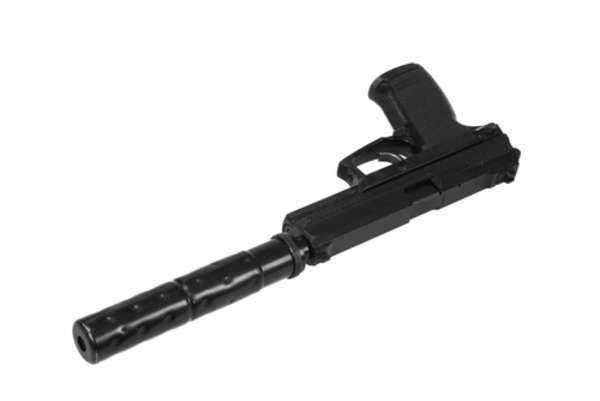
In any case, the idea behind a silencer is in making use of the weapon undetectable, thereby protecting the shooter, because their location is not easily ascertained. The silencer slows the gas which is released when the weapon is fired, thereby reducing the sound. In addition, silencers reduce the velocity of ammunition, making the chances of being detected even lower.
Pistol silencers may be different than rifle silencers in size, model and materials. Pistol silencers may be smaller, depending on the caliber of the weapon. Pistol silencers may also include the use of different material, because of the velocity of the ammunition as it goes through the gun. Whereas rifle silencers may be larger, because the noise produced by a rifle may be louder than that produced by a pistol.
Silencers are often made to fit specific types of weapons. In fact, to guarantee effectiveness silencers would be fitted to specific models, so that the silencer would correctly fit the specific weapon being utilized.