Suppressor Defined
📅 2026 Update: Changes in Firearm Regulations and Resources
Since the original article was written, there have been no significant updates on firearm laws specifically regarding suppressors. However, the context surrounding gun ownership and regulation continues to evolve. Readers can find the original article further down the page for foundational information on suppressors and their definitions.
🔍 📜 Overview of Current Gun Laws
Gun laws in the U.S. can change frequently. While the Second Amendment remains a crucial part of the discussion, many states have their own specific laws. It's essential to stay informed about both federal and state regulations that may affect suppressor ownership.
📈 💼 Resources for Legal Information
Several organizations provide valuable resources on firearm laws. The Bureau of Alcohol, Tobacco, Firearms and Explosives (ATF) is a key source for understanding federal firearm regulations. Their website includes details on licensing, compliance, and classifications.
🌐 📅 State Variations in Gun Laws
Gun laws differ greatly by state. It's crucial to check your state's official website or the department of public safety for specific regulations, fees, and processes related to suppressors.
🛡️ 📚 Legal Aid Availability
Nonprofit organizations that specialize in legal aid can offer help in understanding firearm laws. They can provide guidance on rights and responsibilities regarding suppressors and other firearms.
📌 🔑 Key Points
- No significant legal changes regarding suppressors since the original article.
- Stay informed on state-specific laws as they vary widely.
- Consult the ATF for federal regulations and classifications.
- Use nonprofit legal aid for assistance with firearm rights.
- Always check your state's official resources for the latest updates.
💡 Tips for Understanding Firearm Regulations
Review the details of your situation with your attorney.
📜 🔍 Know the Second Amendment
Understanding the Second Amendment is crucial. It protects the right to bear arms but is subject to various interpretations and regulations.
📅 🚨 Stay Updated on State Laws
State laws can change often. Regularly check your state's department of public safety for the latest information on suppressors and firearms.
🔄 📞 Contact Legal Aid Organizations
If you're uncertain about your rights, contact legal aid organizations. They can provide clarity on firearm laws and help you understand your rights regarding suppressors.
🌐 📚 Utilize ATF Resources
The ATF offers a wealth of information. Familiarize yourself with their website for updates on federal regulations and classifications related to suppressors.
📈 📂 Keep Records
Keep detailed records of any purchases or registrations related to suppressors. Proper documentation can help avoid legal issues in the future.
🏆 Free Options Ranked by User Reviews (2026)
No national paid service qualified under review thresholds for this topic. Therefore, this section focuses on free government and nonprofit resources.
🥇 1. Bureau of Alcohol, Tobacco, Firearms and Explosives (ATF)
The ATF is the primary federal agency overseeing firearm regulations. They provide guidance on the legalities surrounding suppressors and other firearms. Their resources help individuals understand compliance and licensing requirements.
🥈 2. National Rifle Association (NRA)
The NRA offers various resources on firearm safety and legal considerations. They also provide information about firearm classifications and regulations, including details about suppressors. Their educational materials support responsible gun ownership.
🥉 3. State Government Websites
Each state has its own set of laws regarding firearms. State government websites are crucial for obtaining accurate information on suppressor regulations and any associated fees. They help residents navigate their local legal landscape.
4️⃣ Legal Aid Organizations
Nonprofit legal aid groups provide support for individuals seeking to understand their firearm rights. These organizations often assist with questions about state and federal laws, including those relating to suppressors. They can be a valuable resource for legal clarity.
🔎 Things to Check Before Paying for Help
- 📜 Confirm the credentials of the service provider.
- 🏛️ Check for official government resources first.
- 📈 Look for user reviews and feedback.
- 💰 Understand any costs or fees involved.
- 🕵️♂️ Ensure the organization has a clear mission related to firearm laws.
❓ Frequently Asked Questions
❓ What is a suppressor?
A suppressor is a device attached to a firearm to reduce noise when fired. It is often used to make shooting less disruptive.
📅 How do state laws affect suppressor ownership?
State laws vary widely regarding suppressors. Some states may allow ownership while others may have strict regulations or outright bans.
🔍 Are there specific requirements for owning a suppressor?
Yes, federal regulations require a background check and registration for suppressor ownership, along with compliance with state laws.
📜 How can I find legal help for firearm issues?
Legal aid organizations can provide assistance with understanding your rights and responsibilities related to firearms and suppressors.
📊 Where can I find updated information on firearm laws?
The ATF and state government websites are reliable sources for the latest information on firearm laws and regulations.
🏛️ What role does the NRA play in firearm legislation?
The NRA advocates for gun owners' rights and provides resources on firearms and their legal implications, including suppressors.
⚖️ Recent Cases Related to Firearms
Recent court rulings have touched on various aspects of firearm laws, including suppressors. These decisions can influence how laws are interpreted and enforced.
- Ohio court affirms ruling in Joseph Davis weapons caseOhio Court of Appeals · July 20, 2026
- Ohio Court of Appeals upholds drug and weapon convictionsOhio Court of Appeals · July 29, 2026
- Court modifies sentence for young man in weapon possession caseAppellate Division of the Supreme Court of the State of New York · July 29, 2026
- New York court upholds conviction of Rymell Lynn for weapon chargeAppellate Division of the Supreme Court of the State of New York · July 15, 2026
For more information on recent rulings, check the latest updates in the news section: more rulings on the news page.
End of October 2026 Update
Often times, the term muffler and silencer are both used to describe the same thing. Mufflers and silencers both reduce the ability to detect that a weapon has been fired. For instance, a silencer placed on a gun can make the sound of the gun being fired undetectable, even to those close by to the shooter.
Silencers are attached to the barrel of a gun. The silencer acts by reducing the speed of gas that escape the gun, thereby reducing the sound. In addition, silencers reduce the velocity of a bullet or other form of ammunition, as it passes through the chamber and barrel of a weapon.
Silencers were originally called mufflers and still are in some parts of the world. The man that invented the silencer, also invented the muffler for cars. Both inventions were meant to silence or muffle the noise produced by a mechanism. In fact, the term suppressor also refers to the same item.
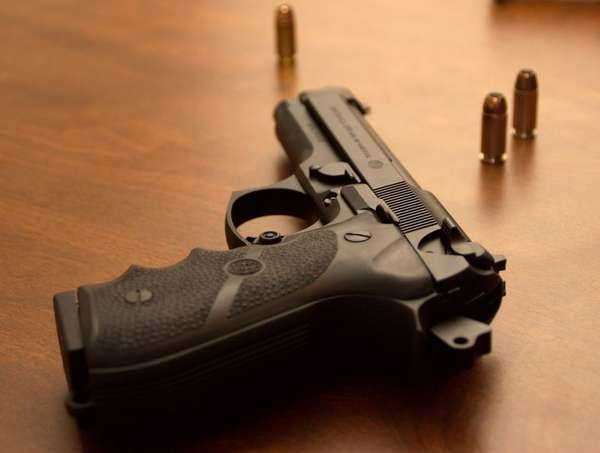
Silencers, suppressors and mufflers can all be used to reduce the sound of any mechanical item, such as vehicles, guns and other weapons. The ability to reduce the noise from a weapon can be life saving, especially in battle scenarios. Soldiers that are in battle can fire their weapon without being detected by the enemy. In fact, snipers often use silencers to be able to fire accurately from a distance, or even when they are close to the enemy, in order to avoid detection.