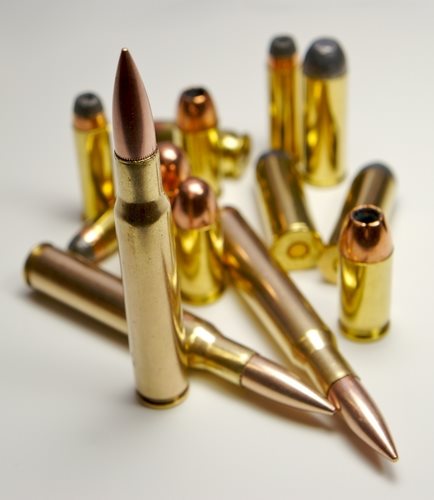
30 Caliber Weapons
📅 2026 Update: Recent Changes in 30 Caliber Weapons Regulations
Since the original article on 30 caliber weapons was published, there have been no major changes in national laws concerning firearms. However, the conversation around state-level regulations is ongoing. The earlier article continues further down the page for foundational knowledge.
📜 🏛️ Federal Firearms Regulations
The Bureau of Alcohol, Tobacco, Firearms and Explosives (ATF) remains the key authority on federal firearms regulations. They provide detailed guidelines on classifications and compliance requirements. Understanding these federal regulations is essential for anyone interested in purchasing or owning firearms.
🏳️🌈 🔍 State Gun Laws
Gun laws vary widely from state to state. Each state has unique regulations on ownership, purchasing, and carrying firearms. Always check your state's official website for the most accurate and updated information regarding firearm regulations.
🔒 📝 Background Checks
Background checks are a critical part of the firearm purchasing process. Federal law requires licensed dealers to conduct background checks for all gun sales. Some states may have additional requirements, so it's important to be aware of local laws.
📅 ⏳ Processing Times and Fees
Processing times and fees for firearm permits may differ by state. While the original article did not specify these details, it's important to verify the latest information for your specific location. State government websites often provide this type of information.
📌 Key Points Summary
- 🔍 Federal regulations are guided by the ATF.
- 🏛️ State laws can differ significantly.
- 🔒 Background checks are mandatory for buying firearms.
- 📅 Processing times and fees vary by state.
- 📜 Check official state resources for updates.
💡 Tips for Navigating Gun Laws
Reviewing your personal situation with an attorney can provide clarity on complex firearm laws.
🗺️ 📚 Know Your State Laws
Each state has its own firearm laws. Understanding these laws is vital for compliance and safety.
🔍 📝 Keep Up with Changes
Gun laws can change frequently. Staying informed about updates in both federal and state regulations is essential.
🔑 🗝️ Secure Storage
Proper storage of firearms is crucial for safety. Follow local laws on how to store firearms securely.
🎯 🕵️♂️ Conduct Background Checks
Always ensure that background checks are performed when purchasing a firearm. This is a legal requirement and helps ensure responsible ownership.
🛠️ 📞 Utilize Available Resources
Make use of available resources, such as government websites and legal aid organizations. These can provide valuable information on rights and responsibilities.
🏆 Free Options Ranked by User Reviews (2026)
As of now, no national paid services met the review threshold for gun law assistance. This section highlights free government and nonprofit resources that can help you navigate firearm laws.
🥇 1. Bureau of Alcohol, Tobacco, Firearms and Explosives
The ATF offers extensive information on federal firearm regulations. This includes licensing, classifications, and compliance requirements. Their resources are crucial for anyone seeking to understand federal laws.
🥈 2. National Rifle Association
The NRA provides resources focused on firearm safety and legal considerations. They also offer educational materials on firearm classifications, which can be valuable for both new and experienced gun owners.
🥉 3. State Government Websites
State government websites deliver specific information about local firearm laws. These sites are essential for understanding state regulations, fees, and application processes.
4️⃣ Legal Aid Organizations
Nonprofit organizations specializing in legal aid can help individuals navigate firearm laws. These organizations often have resources tailored to specific state laws and rights.
🔎 Before Paying for Help
- 🔍 Verify credentials of any service.
- 📜 Check reviews and testimonials.
- 📞 Confirm they provide accurate information.
- 💼 Ensure they follow legal guidelines.
❓ Frequently Asked Questions
🔫 What is the Second Amendment?
The Second Amendment to the U.S. Constitution, ratified in 1791, protects the right to keep and bear arms. It is a foundational text often referenced in discussions about gun ownership.
📄 How do I apply for a concealed carry permit?
The process for obtaining a concealed carry permit varies by state. Check your state’s official website for specific application requirements and procedures.
🕵️♂️ Are background checks required for private sales?
Federal law does not require background checks for private sales. However, some states have implemented their own laws that may require checks in these cases.
📊 What are the penalties for illegal firearm possession?
Penalties for illegal firearm possession depend on state laws. In many states, penalties can include fines and imprisonment.
📅 How often do gun laws change?
Gun laws can change frequently, particularly at the state level. It’s important to stay informed about updates in your area.
🏢 Where can I find legal assistance for firearms issues?
Legal aid organizations and state government websites are good starting points for finding assistance related to firearm laws. They can provide guidance on rights and responsibilities.
⚖️ Recent Cases Impacting Firearm Laws
Recent court rulings have influenced the interpretation and enforcement of gun laws in the United States. These cases often address issues related to the Second Amendment and state regulations.
- Court Denies Firearm Permit Due to Incomplete Criminal HistoryNew York Supreme Court, Rensselaer County · April 3, 2026
- New York court upholds conviction in gun possession caseAppellate Division of the Supreme Court of the State of New York · October 1, 2026
- New York court upholds gun possession conviction of CarringtonAppellate Division of the Supreme Court of the State of New York · October 1, 2026
- New York court upholds conviction in weapon possession caseAppellate Division of the Supreme Court of the State of New York · October 1, 2026
Readers can browse more rulings on the news page for recent updates on this topic.
End of October 2026 Update
30 caliber weapons use ammunition that measures .30 of an inch. There is for example a 30 caliber semi-automatic carbine which was used by the United States military during World War II and the Korean war. The gun was used in both wars because it was fairly reliable and easy to manufacture. The smaller size of the weapon and low weight, also made it easy for military members to carry it around.
Semi-automatic weapons, such as the one used by the United States military, is a self loading weapon. By having weapons which are a smaller caliber, soldiers can carry around more ammunition, which can be vital in their success in battle. The weapon was so beneficial to troops in fact, that it was manufactured in several varieties. It was and remains one of he most popular weapons used by the United States military.
30 caliber weapons are also popular with civilians for target practice and for use in protecting ones home. The weapons are usually smaller and light weight, which makes them great for those that have little experience with larger weapons. In fact, 30 caliber weapons are often used by those that are just beginning to shoot target practice and get their firearms license.
Since 30 caliber weapons are usually small and lightweight, they are also easily concealed. In addition, these weapons can be handled by individuals that are not very strong, because there is only a small recoil when the weapon is fired.