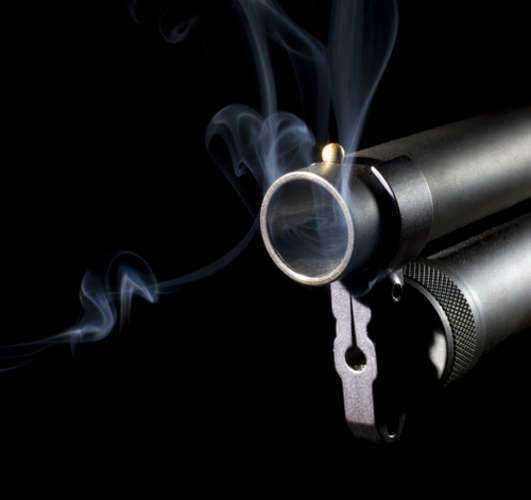
Guns Overview
📅 2026 Update: Changes in U.S. Gun Law Landscape
Since the original article was published, there have been ongoing discussions and changes in U.S. gun laws. These changes focus on regulations around buying and owning firearms, as well as background checks and concealed carry permits. The article below continues to provide valuable information on these topics.
🔍 Recent Developments in Gun Rights
The Second Amendment remains a key topic in debates about gun laws. Its interpretation continues to evolve, affecting discussions on firearm ownership and rights. Recent events have sparked renewed attention on how these laws are applied in various states.
⚖️ Background Checks and Eligibility
Background checks are crucial for anyone looking to purchase a firearm. These checks help ensure that individuals prohibited from owning guns, such as those with felony convictions, are identified. The process can differ by state, impacting how quickly and effectively these checks are conducted.
- 📜 Federal Regulations: The ATF oversees federal laws, ensuring background checks are completed before sales.
- 🏛️ State Variations: Each state may have its own laws about additional background checks or waiting periods.
🔒 Concealed Carry Permits
Concealed carry laws vary widely across the U.S. Some states require permits, while others allow individuals to carry firearms without one. The process for obtaining a concealed carry permit can include background checks, training courses, and fees.
- 🔑 Permit Requirements: Most states have specific eligibility criteria for applicants.
- 💰 Fees and Processing Times: Fees can vary, and processing times depend on the state's specific regulations.
🏛️ State Law Differences
Each state has its own unique set of gun laws. This means what applies in one state may not be the same in another. Staying informed about local laws is essential for firearm owners.
- 🌍 Local Resources: State government websites often provide updated information on laws and regulations.
- ⚠️ Legal Risks: Violating state laws, even unknowingly, can lead to serious legal consequences.
📌 Key Points to Remember
- 🔑 The Second Amendment remains central in gun ownership discussions.
- 📋 Background checks are required for firearm purchases, with variations by state.
- 🔒 Concealed carry laws differ, impacting permit requirements and processes.
- 🏛️ Local state laws can vary widely, so staying informed is crucial.
💡 Tips for Understanding Gun Laws
Review the details of your situation with your attorney.
🔎 Know Your State's Laws
Understanding state-specific gun laws is essential. Each state has different rules regarding the purchase, ownership, and carrying of firearms.
📄 Stay Informed About Changes
Gun laws can change frequently. Regularly check resources like state government websites to stay up-to-date on any new regulations.
🛡️ Complete Background Checks
Ensure all background checks are completed before making a purchase. This is not only a legal requirement but also a critical step to ensure safe ownership.
📅 Keep Track of Permits
If you apply for a concealed carry permit, keep track of all necessary documents and deadlines. This ensures timely processing and compliance with the law.
💬 Seek Assistance When Needed
There are nonprofit organizations that provide resources and guidance on gun laws. These can be helpful if you have questions about your rights or the legal process.
🏆 Free Options Ranked by User Reviews (2026)
No national paid service met the review threshold for this topic, so this section highlights free government and nonprofit resources. These can provide reliable and essential information regarding U.S. gun laws.
🥇 1. Bureau of Alcohol, Tobacco, Firearms and Explosives (ATF)
The ATF is the primary federal agency overseeing firearms regulations. It offers detailed information on federal laws and compliance requirements. The ATF helps individuals understand the rules surrounding gun ownership and safety.
🥈 2. National Rifle Association (NRA)
The NRA provides numerous resources on firearm safety and legal considerations. They offer educational materials about the laws affecting gun ownership and the rights of gun owners. Their resources can help individuals navigate complex legal landscapes.
🥉 3. State Government Websites
Visiting your state's official government website is crucial for understanding local gun laws. These sites often include comprehensive details about fees, permits, and processes unique to your state. It’s a direct way to get the most accurate and updated information.
4️⃣ Legal Aid Organizations
Nonprofit organizations often specialize in legal aid regarding firearm laws. They can offer guidance on rights and responsibilities for gun owners, especially for those who may not have access to legal representation.
🔎 What to Check Before Paying for Help
- 💡 Verify the source of information.
- 📜 Check for up-to-date resources.
- 🏛️ Confirm local laws through state websites.
- ❓ Look for reviews or user feedback on services.
❓ Frequently Asked Questions
❓ What is the process for obtaining a concealed carry permit?
Obtaining a concealed carry permit typically involves submitting an application, completing a background check, and sometimes taking a training course. The exact requirements vary by state.
🔍 Are there restrictions on who can own a firearm?
Yes, individuals with felony convictions or certain mental health issues may be prohibited from owning firearms. Background checks help identify these individuals.
📜 How often do gun laws change?
Gun laws can change frequently due to legislative sessions, court rulings, and public opinion. It's important to stay informed about any changes that may affect firearm ownership.
🏛️ Where can I find local gun laws?
Local gun laws can usually be found on state government websites. These resources often provide the most accurate and updated information.
🔑 What should I do if I have legal questions about gun ownership?
For specific legal questions about gun ownership, consider reaching out to legal aid organizations or consulting state government resources for guidance.
⚖️ What role does the ATF play in gun regulation?
The ATF oversees federal firearms regulations. They provide essential information on compliance, classifications, and licensing for firearm ownership.
⚖️ Recent Cases Related to Gun Laws
Recent court rulings have brought attention to the enforcement and interpretation of gun laws in the U.S. These cases often influence how laws are applied and understood.
- New York court modifies sentence for weapon possession caseAppellate Division of the Supreme Court of the State of New York · July 8, 2026
- New York court vacates sentence for gun possession caseAppellate Division of the Supreme Court of the State of New York · July 16, 2026
- New York court reverses weapon conviction in Coffey caseAppellate Division of the Supreme Court of the State of New York · July 9, 2026
- New York court affirms murder conviction in drive-by shootingAppellate Division of the Supreme Court of the State of New York · July 24, 2026
For more recent rulings, feel free to browse more rulings on the news page.
End of October 2026 Update
Guns are weapons which can be used to gain compliance, inflict harm of cause the death of another. Guns may also be used in hunting and for other recreational purposes, such as target shooting. Replica guns may be used for recreational purposes as well, such as airguns which are replicas and meant to simulate the real weapon.
Guns are made of metal and usually coated in metals which will not be subject to rust or corrosion. The inside of the gun may be made from various materials each of which is strong and resistant to rust.
The type of gun will dictate the type of ammunition used, but in most cases, the bullets are made of metal. The shape and style of the bullet, as well as the power of the gun, can determine the extent of injuries caused by the gun.
Semi automatic guns and automatic guns, both reload automatically. The shooter simply needs to pull the trigger, which initiates the reloading of the ammunition. A semi-automatic gun requires the user to continuously pull the trigger, while automatic guns require the shooter to simply hold the trigger down which initiates the ammunition to be continuously loaded and fired.
Handguns require the shooter to pull the trigger each time they wish to fire the weapon and they also require the shooter to reload the weapon.
Replica guns are used for recreational purposes, as are BB guns. These guns may also be used for training for law enforcement agencies and the military. Replicas used in training, are meant to simulate the real weapon, in weight and in firing method.