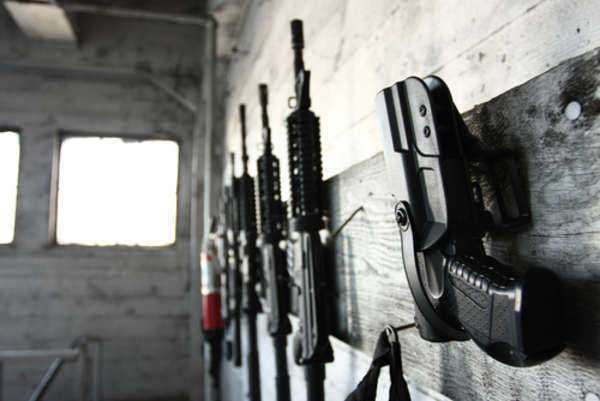
Semi Automatic Rifle Quick Overview
📅 2026 Update: Changes in U.S. Gun Law and Firearm Ownership
Since the original article was written, there have been no specific updates or changes reported from official sources regarding U.S. gun laws. However, the ongoing discussions about the Second Amendment and various state regulations continue to evolve. The earlier article provides a foundational overview that remains relevant as these discussions progress.
🔍 📜 Historical Context of Gun Laws
The Second Amendment has been part of the U.S. Constitution since 1791. It states, "A well regulated Militia, being necessary to the security of a free State, the right of the people to keep and bear Arms, shall not be infringed." This amendment has led to extensive legal discussions and interpretations, especially in light of recent court cases and state laws.
📋 📝 Federal Regulations
The Bureau of Alcohol, Tobacco, Firearms and Explosives (ATF) oversees federal firearms regulations. It offers information on classifications, licensing, and compliance requirements. Understanding these regulations is essential for anyone looking to own or purchase firearms in the U.S.
🌐 🏛 State Variations in Gun Laws
Gun laws vary significantly from state to state. Each state has its own regulations regarding ownership, background checks, and concealed carry permits. It is important for gun owners to be familiar with their state laws to ensure compliance.
📈 📊 Background Checks
Background checks remain a critical part of the firearm purchasing process. Most states require background checks for purchases through licensed dealers. However, rules about private sales and gun shows may differ, so staying informed is key.
📌 📍 Key Points
- Second Amendment remains central to gun ownership discussions.
- Federal regulations are overseen by the ATF.
- State laws differ widely and need to be understood.
- Background checks are essential for most firearm purchases.
- Legal discussions continue around the interpretation of gun laws.
💡 Tips for Understanding Gun Ownership
Review your specific situation with your attorney to clarify your rights and responsibilities regarding firearm ownership.
📚 🔍 Know Your State’s Laws
Each state has unique laws about gun ownership and use. Understanding these laws will help you stay compliant and avoid legal issues.
⚖️ 🛡 Understand Background Check Requirements
Most firearm purchases require a background check. Make sure you know what is required in your state and prepare to provide necessary information.
🏛 Apply for Permits if Needed
If you plan to carry a firearm concealed, look into your state’s permit requirements. Some states require training or specific documentation before issuing a permit.
📄 📝 Keep Records of Your Purchases
Documenting your firearm purchases can be beneficial. Keep receipts and other important paperwork in a safe place for future reference.
💼 📞 Seek Legal Aid if Confused
If you have questions about your rights or responsibilities, consider reaching out to legal aid organizations. They can provide important resources and guidance.
🏆 Free Options Ranked by User Reviews (2026)
No national paid services met the review threshold for this topic. Therefore, this section focuses on free government and nonprofit resources that provide valuable information on U.S. gun laws.
🥇 1. Bureau of Alcohol, Tobacco, Firearms and Explosives (ATF)
The ATF provides extensive information about federal firearms regulations. This includes guidance on classifications, licensing, and compliance. It is a key resource for understanding laws that govern firearm ownership at the federal level.
🥈 2. National Rifle Association (NRA)
The NRA offers resources on firearm classifications and legal considerations. They also provide safety courses and information about gun rights, making it a useful resource for firearm owners.
🥉 3. State Government Websites
State government websites contain specific information about local gun laws. They provide details on regulations, fees, and processes that vary across states. Checking these websites can help ensure compliance with local laws.
4️⃣ Legal Aid Organizations
Nonprofit legal aid organizations can assist individuals with questions about firearm laws. They often provide resources and guidance tailored to specific legal needs in this area.
🔎 What to Check Before Paying for Help
- 💵 Check if the service is free or low-cost.
- 📜 Ensure they have expertise in firearm laws.
- 🔍 Look for user reviews or ratings.
- 📞 Confirm they provide clear and accurate information.
❓ Frequently Asked Questions
❓ What is the process to apply for a concealed carry permit?
The process varies by state but generally includes completing an application, providing identification, and possibly undergoing background checks and training.
🕵️♂️ Are there age restrictions for owning a firearm?
Yes, federal law requires individuals to be at least 18 years old to purchase rifles and shotguns, while handguns typically require the buyer to be 21.
🔒 What is included in a background check?
A background check usually includes a review of criminal history, mental health records, and other relevant information to determine eligibility for firearm ownership.
🚫 Can I own a firearm if I have a felony conviction?
In most cases, individuals with felony convictions are prohibited from owning firearms. However, laws can vary, so it's important to check state regulations.
🎯 How can I find out about changes to gun laws in my state?
Regularly check your state's official website or subscribe to local news sources that cover legislation related to firearms.
📚 Where can I find educational resources about gun safety?
Many organizations, including the NRA and local law enforcement agencies, offer educational resources and training on gun safety and responsible ownership.
⚖️ Recent Cases Related to Gun Laws
Recent court rulings have addressed various aspects of gun ownership and the Second Amendment. These rulings often shape how laws are interpreted and enforced across the country.
- Eighth Circuit affirms Torres' drug and firearm convictionsCourt of Appeals for the Eighth Circuit · August 24, 2026
- Second Circuit vacates sentence for firearm trafficking caseCourt of Appeals for the Second Circuit · August 24, 2026
- Eighth Circuit affirms sentence for Kentrell Powell's gun crimeCourt of Appeals for the Eighth Circuit · August 20, 2026
- Court upholds conviction of Nicholas Vallia in shooting caseDistrict Court of Appeal of Florida · September 9, 2026
For more information on recent rulings, feel free to check more rulings on the news page.
End of October 2026 Update
Bolt action rifles are those rifles which have a bolt action which occurs manually. The shooter must open and close the barrel with a lever which is found on the right side of the gun. The operator then unlocks the bolt, allowing any spent shell casing to be released from the weapon and then they may again cock the weapon. Bolt action rifles are often single shot rifles, which need to be manually loaded after they have been fired, each time.
In contrast, semi automatic rifles are those which require little effort from the operator. In order to load the weapon the operator simply needs to pull the trigger, which allows the gun to reload itself. Semi automatic weapon scan be single shot rifles if the operator wishes them to be, but semi automatic rifles often have a different purpose that a bolt action rifle.
Bolt action rifles are commonly used for hunting. Although there is more user involvement in loading the gun, semi automatic rifles may be unnecessary for hunting. In addition, bolt action rifles are much less expensive than their semi automatic rifle counterparts.
Bolt action rifles and semi automatic rifles, can both have astounding accuracy. In addition, both rifles can be made form lightweight material, making them easy to maneuver. However, state laws may dictate which type of weapons are allowed to be purchased in the state, as well as which types may be used for hunting.