Guide to Automatic Weapons
📅 2026 Update: Key Changes in Automatic Weapons Regulations
Since the original article on automatic weapons was published, there have been no significant legislative changes concerning these firearms from 2024 to 2026. The rules for ownership, application processes, and federal fees remain largely the same. For those seeking information on automatic weapons, the earlier article continues further down the page.
🔍 No New Laws
There have been no new laws related to automatic weapons during the last two years. The regulations set by the National Firearms Act (NFA) still apply. This means the existing requirements for purchasing and owning automatic weapons remain intact.
💵 Current Fee Structure
The federal tax for obtaining automatic weapons is still $200. This fee is required under the National Firearms Act for both transferring and making automatic weapons. The fee has not changed since last reported.
📝 Application Process
To obtain an automatic weapon, individuals must submit an application to the Bureau of Alcohol, Tobacco, Firearms and Explosives (ATF). This includes undergoing a thorough background check and paying the required tax. The application process has not become more complex, but individuals should ensure they have all necessary documentation ready.
⏳ Processing Times
While the processing times for ATF approval can vary, specific current times are not detailed in available sources. It's important for applicants to be patient and prepared for potential delays in the approval process.
🚫 Eligibility Requirements
The restrictions on who can possess automatic weapons remain unchanged. Prohibited individuals include those with felony convictions, fugitives, and individuals under 21. Anyone subject to a domestic violence restraining order is also barred from ownership.
📌 Key Points to Remember
- No new laws have been enacted regarding automatic weapons since 2024.
- The federal tax stamp remains at $200.
- An application to the ATF is necessary for ownership.
- Processing times may vary; delays are possible.
- Certain individuals are prohibited from ownership, including felons and those under 21.
💡 Tips for Navigating Automatic Weapons Regulations
Review the details of your situation with your attorney to ensure compliance with all regulations regarding automatic weapons.
🛃 Understand Federal Regulations
Familiarize yourself with the National Firearms Act, which regulates the possession of automatic weapons. Knowing the requirements can help you navigate the application process smoothly.
📋 Prepare Your Application
Ensure your application to the ATF is complete and includes any necessary documentation. Missing information can lead to delays in processing your request.
🚨 Check State Laws
State laws may have additional restrictions on automatic weapons. Always verify local laws to avoid unintended legal issues, as some states have stricter rules than federal law.
🔍 Stay Informed on Background Checks
Be aware that a thorough background check is part of the application process. Knowing what may disqualify you, such as felony convictions or domestic violence restraining orders, is crucial.
📅 Plan for Processing Times
Understand that processing times for ATF applications can vary. It is wise to plan for possible delays and not to expect immediate approval.
📞 Utilize ATF Resources
The Bureau of Alcohol, Tobacco, Firearms and Explosives offers resources for individuals seeking to understand the legal requirements for automatic weapons. These resources can clarify any uncertainties about the process.
🏆 Free Options Ranked by User Reviews (2026)
No national paid service met the review threshold for automatic weapons assistance, so this section focuses on free government and nonprofit resources available.
🥇 1. Bureau of Alcohol, Tobacco, Firearms and Explosives (ATF)
The ATF provides comprehensive resources and guidance on the legal requirements for possessing automatic weapons. This includes information on the application process, tax requirements, and eligibility rules. It is an essential resource for individuals looking to navigate federal regulations.
🥈 2. Local Law Enforcement Agencies
Local law enforcement can offer guidance on state-specific regulations regarding automatic weapons. They often have resources to help individuals understand what is allowed in their area and can clarify local laws.
🥉 3. State Firearms Offices
Many states have dedicated firearms offices that provide resources for residents. These offices can offer information on state laws, application processes, and any local requirements that may differ from federal regulations.
4️⃣ Nonprofit Gun Rights Organizations
Certain nonprofit organizations focus on gun rights and education. They may provide resources or workshops on understanding firearms laws, including information about automatic weapons and the rights of gun owners.
🔎 What to Check Before Paying for Help
- 🔍 Verify the credentials of the service.
- 📄 Look for reviews and ratings from past users.
- 💰 Ensure the cost aligns with the services provided.
- 📞 Confirm they offer relevant expertise in firearms laws.
- 📅 Inquire about the expected timeline for assistance.
❓ Frequently Asked Questions
🤔 What is an automatic weapon?
An automatic weapon is a firearm that automatically reloads and fires continuously when the trigger is pressed. This includes various types of firearms, such as machine guns and automatic shotguns.
🚫 Who cannot apply for an automatic weapon?
Certain individuals are prohibited from owning automatic weapons. This includes felons, individuals subject to domestic violence restraining orders, and those under 21 years of age.
🕒 How long does it take to get approval for an automatic weapon?
Processing times for ATF applications can vary, but specific current times are not provided. Applicants should be prepared for potential delays in receiving approval.
📅 What documentation is needed for the application?
The application process requires thorough documentation, including background information. It is essential to ensure all necessary materials are included to avoid processing delays.
🗺️ Are there state-specific laws for automatic weapons?
Yes, state laws may impose additional restrictions or requirements. For example, South Carolina prohibits the possession of automatic guns, except for military and law enforcement personnel.
📞 Where can I find more information?
The Bureau of Alcohol, Tobacco, Firearms and Explosives (ATF) is a primary resource for information on automatic weapon regulations. Local law enforcement agencies and state firearms offices can provide additional guidance.
⚖️ Recent Cases Related to Automatic Weapons
Recent court rulings have addressed various aspects of automatic weapons regulations, reflecting ongoing legal discussions in this area.
- Florida court upholds conviction of Timothy Flowers for firearm chargesDistrict Court of Appeal of Florida · February 19, 2020
- Florida court upholds sentence for firearm possession caseDistrict Court of Appeal of Florida · February 12, 2020
- Florida court upholds conviction of firearm possession caseDistrict Court of Appeal of Florida · April 9, 2020
- Florida court denies petition in self-defense shooting caseDistrict Court of Appeal of Florida · April 2, 2020
For more insights into recent rulings, feel free to browse more rulings on the news page.
End of October 2026 Update
Automatic weapons are often the most contentious items in any gun control debate. Because they hold tremendous destructive potential, and seem the least reasonable in terms of mere self-defense, automatic weapons are often targeted by gun control activists, and are just as passionately defended by gun rights activists.
There are some provisions concerning automatic weapons that greatly affect their legality in modern-day America. But first, a quick examination of exactly what an automatic weapon is will shed some light on the matter.
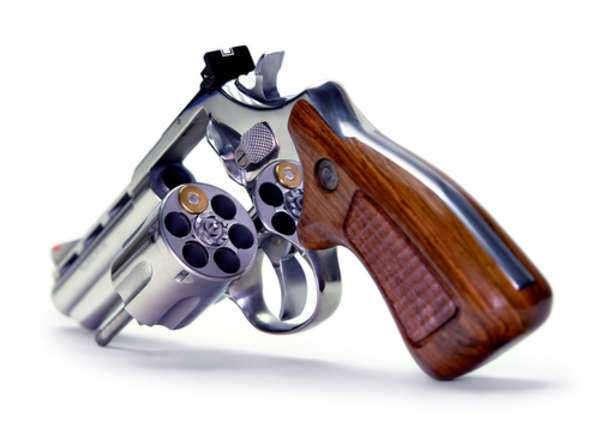
An automatic weapon, or automatic firearm, will fire continuously when the trigger is pulled, instead of firing just one shot per trigger pull. This differs from single-action revolvers, or pump-action firearms, for instance, which require a trigger pill to fire a single shot, and then an additional action in order to prime the gun for the next shot.
Automatic weapons differ also from semi-automatic weapons, which still retain the "one trigger pull, one shot" restriction on their workings, but have internal workings, such that the gun automatically loads a new cartridge and cocks itself. Fully automatic weapons, then, are the most dangerous of these three kinds, because they can fire the most rounds in the least amount of time.
The terms are a little indeterminate, if only because many times, those guns which are called "automatic weapons" are actually semi-automatic, such as most "automatic pistols" and most "automatic shotguns." This is often because fully automatic weapons are restricted, as one would expect, to just military and police forces in developed countries.
Most assault rifles, for instance, can switch back and froth between full automatic fire and semi-automatic fire, and most assault rifles are heavily restricted. Most assault rifles were banned altogether thanks to the Federal Assault Weapons Ban, but this law became defunct in 2004. There are attempts to reinstate it, however, whether for another temporary period, or permanently.
The Ban, though defunct, is important for the way it defined assault weapons, most of which were fully-automatic firearms which had been redesigned into becoming semi-automatic civilian versions. So while assault weapons were not actually fully automatic weapons, they were semi-automatic weapons, and were still more than dangerous enough to be banned, thought lawmakers.
In general, one can safely assume that any fully automatic weapon will be banned from civilian use. The more likely source of danger comes from powerful semi-automatic weapons, with features such as detachable magazines, folding or telescoping stocks, bayonet mounts, grenade launchers, and the like, all of which were enough to have the weapon banned under the Federal Assault Weapons Ban.
Fully automatic weapons, though some gun activists would like to have access to them, are generally considered too dangerous to be allowed for public use, but debate over the many variations of semi-automatic weapons will continue long into the future.
There is no doubt that a semi-automatic weapon is inherently more dangerous than a single-action weapon which requires both single trigger pulls per shot, and cocking or reloading the gun. But whether this danger is enough to justify limiting semi-automatic weapons severely remains an issue under great contention.